
The NExT will replace two existing exams:
It's an informational blog in 800 words tags , category heading :what is NExT exam? Is it similar to USMLE? Next exam covers 19 chapters with 540 MCQ , intern…
It's an informational blog in 800 words tags , category heading :what is NExT exam? Is it similar to USMLE? Next exam covers 19 chapters with 540 MCQ , intern…

Many parents wonder: “After my first baby, how long should I wait before having my second?” Choosing the right time is important not just for maternal health, but also for the baby’s health and development. The World Health Organization (WHO) and many health experts give guidelines to help mothers plan their next pregnancy safely. In this article, we will explain:
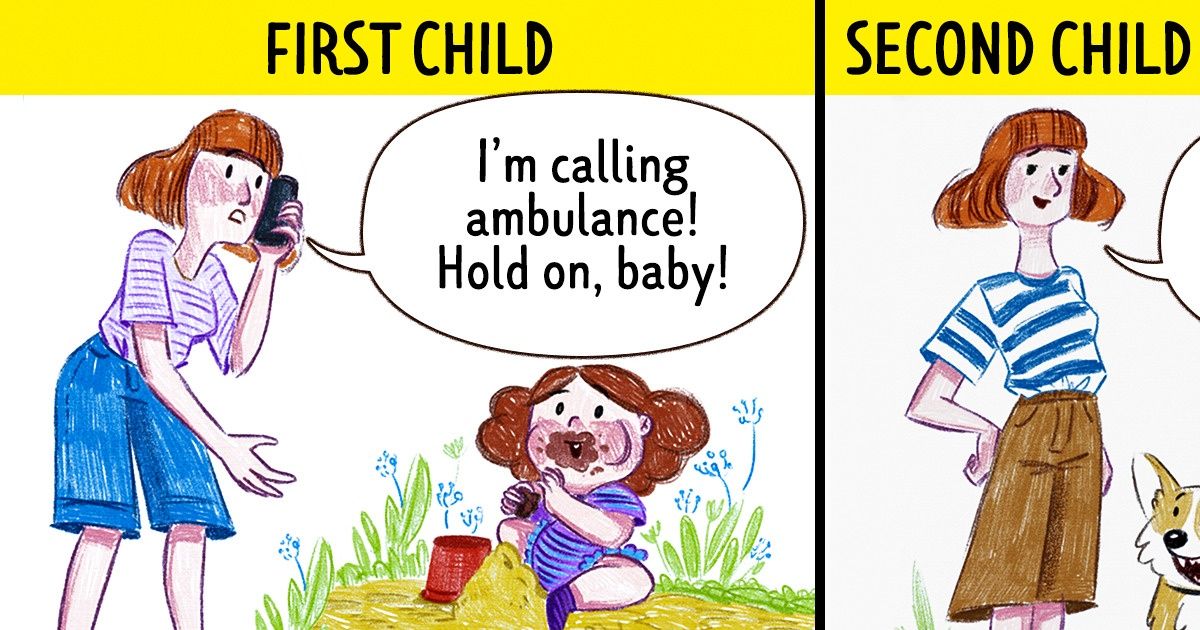
1. The 12-Month Gap Tradition, Science, and Impacts Why do some parents traditionally plan a 12-month gap? · Completion of Family Quickly: To get the physically demanding phase of early childcare over with in a condensed period. · Sibling Companionship: The idea that children close in age will be playmates and have a stronger bond. · Societal/Cultural Norms: In some communities, having children in quick succession is the expected norm. · Career Considerations: Parents, often mothers, may want to take one extended break from the workforce rather than multiple breaks.

Title: Cybersecurity in the Age of AI: Your Shortcut to High-Demand Careers in India Category: Technology, Career Guidance, Digital Education Tags: #Cybersecurity #AI #EthicalHacking #DataProtection #WebDevelopment #DigitalMarketing #ShortTermCourses #CareerInIndia #TechJobs…
Artificial Intelligence (AI) and Machine Learning (ML) are no longer future concepts. They are already being used in offices, factories, hospitals, banks, and schools in India. In the next two years, AI will not fully replace humans, but it will change how jobs are done. Some employment sectors will be badly affected, while many new opportunities will be created.
Artificial Intelligence (AI) is one of the most exciting and fast-growing fields in technology today. It is changing the way we live, work, and interact with machines. This blog explains AI in simple English, covering its definition, origin, history, types, applications, benefits, ethical issues, and future.

Artificial Intelligence (AI) refers to the ability of machines or computer systems to mimic human cognitive functions such as learning, reasoning, problem-solving, perception, and decision-making. In simple terms, it’s the science of making machines smart. The Origin and Development of AI The dream of creating intelligent machines dates back to ancient myths, but AI as a formal academic field began in the 1950s. The term “Artificial Intelligence” was first coined by John McCarthy in 1956 at the Dartmouth Conference, marking the birth of AI as a discipline.
China -one language & one culture. USA - one language & multi cultural society India- multi linguistic, multi cultural , democratic society,multi party set up,

Excellent and critical question that touches upon geopolitics, internet governance, and technological infrastructure. Let's break it down systematically. 1. The Core Reality, Does India, 100%, Depend on the USA, for Internet Service, The short answer is no, India does not 100% depend on the USA. However, the relationship is one of asymmetric dependence, where the US holds a disproportionate influence over critical components. The dependence is not on "internet service" in the broadband provider sense, but on the underlying architecture and governance.