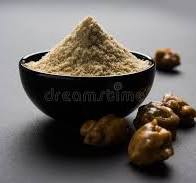
This Blog explains -Asafoetida (Hing) is a resin spice derived from the Ferula plant, widely used in Ayurveda and Indian cooking. It holds medicinal value for digestive, respiratory, nervous, and women’s health disorders, while also being used in perfumes in Western countries.
Asafoetida (Hing): Origin, Healing Power, and Ayurvedic Significance
Meta Title: Asafoetida (Hing) – Origin, Healing Power, Ayurvedic Uses & Modern Significance
Meta Description: Discover the origin, distribution, composition, healing powers, and Ayurvedic significance of Asafoetida (Hing). Learn its curative properties for digestive, respiratory, nervous, and women’s health disorders, plus its role in Indian food and perfumes.
Keywords: Asafoetida, Hing, Ayurvedic remedies, digestive health, respiratory disorders, women’s health, natural medicine, Indian cooking, opium antidote, perfumes

ALT Text : Asafoetida, Hing, Ayurvedic remedies, digestive health, respiratory disorders, women’s health, natural medicine,
Origin and Distribution
Asafoetida is derived from the resin of Ferula assa-foetida, a perennial herb native to Iran and Afghanistan. It reached India centuries ago through trade routes and became integral to Ayurvedic medicine. Today, India is the largest consumer, importing raw resin and processing it into powder for culinary and medicinal use.
Composition
The resin contains volatile oils, gum, and resin compounds that give it a pungent aroma. Sulfur compounds are responsible for its strong smell and therapeutic properties. It also includes ferulic acid, sesquiterpenes, and coumarins, which contribute to its medicinal effects.
Healing Power and Curative Properties
Asafoetida is known for its digestive, anti-inflammatory, and antimicrobial properties. It stimulates appetite, reduces flatulence, and supports gut health. Its bioactive compounds make it a natural remedy for multiple ailments in traditional medicine.
-Respiratory Disorders
Hing has been used to treat asthma, bronchitis, and chronic cough. Its expectorant properties help clear mucus from the lungs. Ayurvedic practitioners recommend hing water or hing-infused remedies for respiratory relief.
Hysteria and Nervous Disorders
In Ayurveda, hing is considered calming for nervous disorders and hysteria. It acts as a mild sedative, reducing anxiety and restlessness. Traditional healers often used hing in tonics for children with nervous irritability.
Impotency and Reproductive Health
Asafoetida is believed to improve blood circulation and stimulate reproductive health. It has been used as an aphrodisiac in traditional medicine. Some Ayurvedic texts mention hing as supportive in cases of impotency and menstrual irregularities.
Children’s Disorders
Hing is used in small doses for colic and indigestion in children. Mothers often apply hing paste around the navel to relieve stomach pain. Its antimicrobial properties also protect children from intestinal infections.
Nervous Disorders in Children
Ayurveda prescribes hing for children with nervous irritability and sleep disturbances. It is believed to calm the nervous system naturally. Careful dosing ensures safety while providing therapeutic benefits.
Women’s Ailments
Hing is widely used for menstrual pain and irregular cycles. It helps relax uterine muscles and improves blood flow. Many Ayurvedic remedies for women’s health include hing as a core ingredient.
Stomach Disorders
Asafoetida is a powerful digestive aid. It reduces bloating, flatulence, and constipation. Hing water or hing mixed with warm ghee is a common household remedy for stomach discomfort.
Toothache
Hing paste applied to gums can relieve toothache. Its antibacterial properties fight oral infections. Traditional healers often combined hing with lemon juice for dental pain relief.
Preparation and Doses
Hing is usually consumed in small amounts due to its strong flavor. A pinch in food or dissolved in warm water is sufficient for therapeutic use. Overuse may cause nausea, so moderation is essential.
Antidote to Opium
Historically, hing was used as an antidote to opium poisoning. Its stimulating properties counteracted narcotic effects. Though not a modern medical practice, it reflects hing’s importance in ancient healing traditions.
Perfume Industry in the West
Despite its pungent smell, hing resin has been used in perfumes. Western perfumers valued its fixative properties. It blended with floral notes to create long-lasting fragrances.
Ayurvedic Significance and Indian Food
Hing has been a cornerstone of Ayurvedic remedies for centuries. It balances Vata dosha and supports digestion. In Indian cooking, hing is added to dals, curries, and pickles, making food both flavorful and medicinal.
Modern Relevance
Today, hing is studied for its antimicrobial and antioxidant properties. It continues to be used in both traditional and modern medicine. Its dual role in food and therapy makes it timeless.
References
– Wikipedia – Asafoetida
– One Health Assist – Asafoetida Health Benefits
Disclaimer
This blog is for educational purposes only. Asafoetida remedies should not replace professional medical advice. Always consult a qualified healthcare provider before using hing for therapeutic purposes.