Tuberculosis: Causes, Symptoms, Treatments, and Prevention
**Meta Description:** Learn about Tuberculosis (TB), its causes, symptoms, environmental factors, and treatments including allopathy, homeopathy, and Ayurveda. Discover WHO and ICMR guidelines for prevention and management in India and Asia.
**Keywords:** Tuberculosis, TB, causes, symptoms, allopathy, homeopathy, Ayurveda, prevention, ICMR, WHO, India, health blog
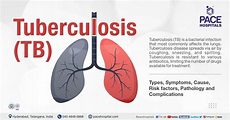
Tuberculosis (TB) is one of the oldest and most dreaded diseases known to humankind. It is a chronic infectious disease caused mainly by *Mycobacterium tuberculosis*. TB can affect any part of the body, most commonly the lungs (pulmonary TB), but it may also attack bones, joints, intestines, the genito-urinary tract, and even the meninges of the brain, causing meningitis. Without proper treatment, it can be fatal.
Causes of Tuberculosis
The main cause of TB is infection by *Mycobacterium tuberculosis*, which spreads through the air when an infected person coughs, sneezes, or speaks. However, several contributing factors make individuals and communities more vulnerable to the disease:
– **Environmental and Unhygienic Conditions:** Overcrowded living spaces, poor ventilation, and lack of sunlight encourage the survival of TB bacteria. Slum areas and rural localities with poor sanitation are at high risk.
– **Food and Nutrition:** Malnutrition weakens the immune system, making it easier for latent TB infections to become active. Deficiency of vitamin D and protein increases susceptibility.
– **Pollution and Climate Change:** Air pollution damages lung tissue, while frequent changes in climate can weaken immunity and respiratory health.
– **Genetic Factors:** Certain individuals may have genetic predispositions that affect immune response to the TB bacterium.
– **Immune Compromise:** People with HIV/AIDS, diabetes, or those undergoing chemotherapy are more vulnerable to TB infection.
– **Use of Chemical Fertilizers:** In developing nations like India, exposure to chemicals and pesticides used in agriculture may lower natural immunity, indirectly increasing TB susceptibility.
Symptoms of Tuberculosis
TB symptoms depend on the part of the body affected but commonly include:
– Persistent cough lasting more than 2–3 weeks
– Coughing up blood or sputum
– Fever, especially at night
– Weight loss and loss of appetite
– Fatigue and weakness
– Night sweats
– Pain in the chest, bones, or affected area
When the infection affects organs other than the lungs (extra-pulmonary TB), symptoms vary accordingly—for example, swelling of joints, abdominal pain, urinary problems, or headaches (in TB meningitis).
Allopathic Treatment
Modern medicine treats TB primarily through a combination of antibiotics over several months, known as **DOTS (Directly Observed Treatment, Short-course)**, recommended by WHO and ICMR.
The main drugs include:
– Isoniazid (INH)
– Rifampicin
– Pyrazinamide
– Ethambutol
– Streptomycin (in some cases)
Multi-drug resistant TB (MDR-TB) requires longer and more intensive treatment using second-line drugs. Regular follow-up, sputum testing, and adherence to the prescribed regimen are crucial for a complete cure.
Homeopathic Remedies
Homeopathy focuses on strengthening the body’s natural defenses and reducing symptoms. Commonly used remedies include:
– **Tuberculinum:** Often used in patients with a family history of TB or chronic weakness.
– **Phosphorus:** For chest pain, coughing blood, and fatigue.
– **Calcarea Phosphorica:** For bone TB and joint pain.
– **Silicea:** To improve resistance and aid recovery from chronic infection.
These remedies should only be taken under the supervision of a qualified homeopathic practitioner.
## Ayurvedic Treatment
Ayurveda considers TB as *Rajayakshma*, a disease caused by imbalance of *Vata*, *Pitta*, and *Kapha doshas*. Ayurvedic therapy aims to strengthen immunity, detoxify the system, and rejuvenate body tissues.
common Ayurvedic Remedies:
– **Chyawanprash:** A rejuvenating herbal tonic rich in Vitamin C and antioxidants.
– **Ashwagandha (Withania somnifera):** Enhances immunity and reduces fatigue.
– **Guduchi (Tinospora cordifolia):** Acts as an immune booster and detoxifier.
– **Pippali (Long pepper):** Helps improve respiratory health.
– **Vasaka (Adhatoda vasica):** Useful for cough and respiratory distress.
Dietary & Lifestyle Advice:
– Consume milk, ghee, and easily digestible foods.
– Avoid spicy, oily, and stale foods.
– Maintain cleanliness and fresh air circulation.
– Practice pranayama and meditation to boost respiratory and mental health.
Preventive Measures
– **Vaccination:** BCG vaccine is recommended at birth to prevent severe forms of TB in children.
– **Early Detection:** Regular screening in high-risk areas and among contacts of TB patients.
– **Improved Living Conditions:** Better housing, sanitation, and ventilation reduce infection spread.
– **Nutrition:** Balanced diet rich in protein and vitamins supports strong immunity.
– **Avoid Overcrowding:** Maintain distance from infected individuals and ensure proper ventilation.
WHO and ICMR Guidelines
According to the World Health Organization (WHO) and the Indian Council of Medical Research (ICMR), India accounts for a large share of global TB cases. National TB Elimination Program (NTEP) aims to make India TB-free by 2025. Key recommendations include free diagnosis and treatment through government centers, contact tracing, and public awareness campaigns.
Conclusion
Tuberculosis remains a global health challenge, especially in developing nations. With proper awareness, nutrition, early diagnosis, and adherence to treatment, TB can be prevented and cured. Integrating modern medicine with traditional healing systems like Ayurveda and Homeopathy may provide holistic recovery and long-term wellness.
**Disclaimer:** This article is for general health awareness only. It is not a substitute for professional medical advice, diagnosis, or treatment. Always consult a registered medical practitioner for any health concerns.
**References:**
1. World Health Organization (WHO) Global TB Report 2024.
2. Indian Council of Medical Research (ICMR) Guidelines on Tuberculosis.
3. Ministry of Health and Family Welfare, Government of India.