

The Battle Against Nail Fungus: Understanding, Treating, and Reclaiming Healthy Nails
Meta Description: Struggling with thick, discolored toenails or fingernails? Learn what causes nail fungus, why it disfigures nails, and explore allopathic, homeopathic & apple cider vinegar treatments. Read our simple guide for recovery tips and important disclaimer.
Keywords: nail fungus, toenail fungus, fingernail fungus, onychomycosis, fungal infection causes, disfigured nails, thick yellow nails, antifungal medicine, homeopathic nail treatment, apple cider vinegar for fungus, terbinafine, ciclopirox, nail care.
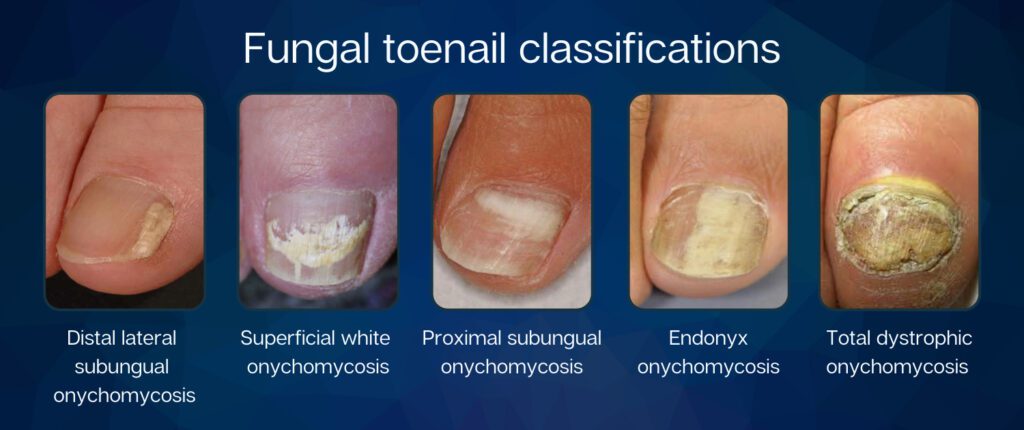
ALt Text types of toenail fungus, fungal toenail types, types of toenail infections, fungal nails, nail fungus, fungal infection, toenail infection, infected toenail, nail infection, nail treatment, toenail treatment, fungal nail treatment, onychomycosis, laser therapy, lunula laser therapy, fungal laser therapy Sydney CBD, laser treatment for toes, Sydney podiatrist, best podiatrist in Sydney CBD, podiatrist near me, podiatrist Sydney CBD, fungal infection classifications
Has a toenail or thumbnail turned yellow, thick, or crumbly? Does it look distorted, like it’s shrinking away from the nail bed? You’re not alone. This common, stubborn problem is a fungal infection, medically known as onychomycosis. It’s more than just a cosmetic issue; it can be uncomfortable and tough to beat. Let’s break down what it is, why it happens, and the paths to clearer nails.
What Exactly is Nail Fungus?
Nail fungus is an infection caused by tiny organisms called dermatophytes, yeasts, or molds. These fungi thrive in warm, dark, and moist environments. They invade through tiny cuts in the skin around the nail or through the separation between the nail and nail bed. Once inside, they feed on the keratin—the protein that makes up your nails.
What Causes the Fungus to Take Hold?
Understanding the causes is the first step to prevention:
· Warm, Moist Environments: Frequently wearing sweaty shoes and socks, or walking barefoot in damp public areas like pools, gyms, and showers.
· Minor Nail or Skin Injuries: A small cut or a damaged nail can create an entry point.
· Health Conditions: Poor blood circulation, diabetes, a weakened immune system, or even psoriasis increase risk.
· Age: Slower nail growth and reduced blood circulation with age make nails more vulnerable.
· Genetics: Some families are simply more prone to fungal infections.
The Unmistakable Signs: Disfigurement and “Shrinking”
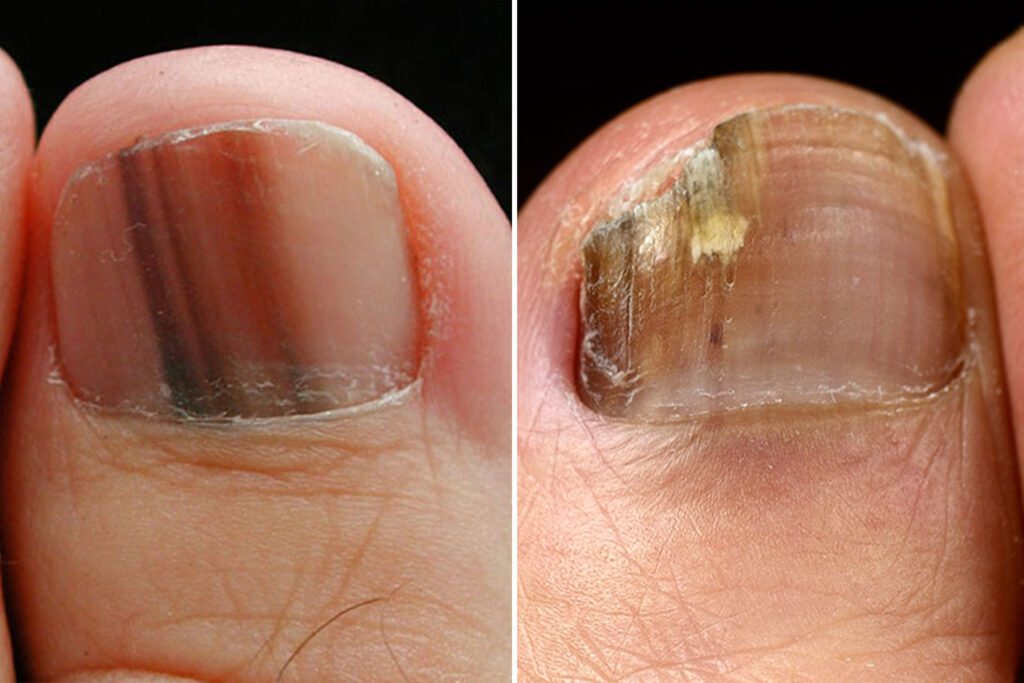
Alt Text Thickening: The nail becomes abnormally thick and difficult to trim
Once the fungus sets up shop, it changes everything about how your nail grows. This is why the new nail that grows in looks so disfigured:
1. Thickening: The nail becomes abnormally thick and difficult to trim.
2. Discoloration: It turns white, yellow, or brown. Debris may build up under the nail.
3. Crumbling Edges: The nail becomes brittle and starts to break or crumble at the edges.
External link Read more guidelines
4. Distortion & “Shrinking”: This is the key change. The fungus damages the nail matrix (the growth center). This causes the new nail to grow in misshapen, ridged, and often curled or shriveled. It can separate from the nail bed (a condition called onycholysis), making it look like the nail is “shrinking” or pulling away. The shape is permanently altered until the infected nail is fully grown out and replaced by healthy tissue.
Treatment Avenues: From Clinic to Kitchen
Treating nail fungus requires patience, as nails grow slowly. Consistency is crucial.
1. Allopathic (Conventional) Medicine:
· Topical Antifungal Lacquers: Like ciclopirox or amorolfine. These are painted on the nail and surrounding skin daily. Best for mild to moderate infections.
· Oral Antifungal Pills: The most effective treatment for severe cases. Terbinafine and itraconazole are common. They promote the growth of a new, healthy nail. Important: They require a doctor’s prescription, as they can affect the liver and interact with other medications. Blood tests are often needed.
· Medicated Nail Polish: Prescription-strength polishes that deliver medicine directly to the infection.
· Laser Treatment: A newer option using laser light to target and destroy fungus. It can be expensive and is not always covered by insurance.
2. Homeopathic Approach:
Homeopathy treats the individual holistically, aiming to boost the body’s own healing response. A qualified homeopath selects remedies based on your specific symptoms. Some commonly suggested remedies for nail fungus include:
· Sepia: For brittle, crumbling nails that peel easily.
· Graphites: For thick, rough, distorted nails with yellow discoloration.
· Antimonium crudum: For thick, hard, discolored nails with vertical ridges.
· Silicea: For weak, splintered nails that grow slowly.
· Thuja occidentalis: Often a key remedy for abnormal nail growth and distortions.
Note: Scientific evidence for homeopathy’s efficacy in treating nail fungus is limited. It is crucial to consult a certified homeopathic practitioner.
3. The Apple Cider Vinegar (ACV) Soak:
A popular and affordable home remedy. The theory is that the acidic environment created by ACV can inhibit fungal growth.
· How to Use: Mix one part ACV with one part warm water in a basin. Soak the affected nails for 15-20 minutes daily. Pat thoroughly dry afterward.
· The Reality: While ACV has mild antifungal properties and can help dry out the nail, it often isn’t strong enough to penetrate the nail plate and eliminate a deep-seated infection on its own. It may be more effective for very early cases or as a supportive measure alongside other treatments.
A Crucial Disclaimer
PLEASE READ THIS CAREFULLY:
The information provided in this blog is for educational and informational purposes only and is not a substitute for professional medical advice, diagnosis, or treatment. Always seek the advice of your physician, dermatologist, or other qualified health provider with any questions you may have regarding a medical condition.
· Do not disregard professional medical advice or delay seeking it because of something you have read here.
· Nail discoloration and thickening can sometimes be signs of other serious health issues (like psoriasis, diabetes, or circulatory problems). A proper diagnosis by a doctor is essential.
· Never self-prescribe oral antifungal medications. They require medical supervision.
· Homeopathic and natural remedies should be discussed with your healthcare provider, especially if you are pregnant, nursing, or have underlying health conditions.
· Results from any treatment vary from person to person.
The Takeaway: Patience and Persistence
Winning the fight against nail fungus is a marathon, not a sprint. It can take 6-12 months for a healthy toenail to fully regrow. The best approach often combines medical treatment with good nail hygiene: keep nails trimmed short and dry, wear moisture-wicking socks, choose breathable shoes, and protect your feet in public areas.
Start with a visit to your doctor for a confirmed diagnosis. Then, you can discuss a treatment plan—whether it’s a prescription, a complementary approach, or a combination—that’s safe and effective for you. With consistency and care, you can guide your nails back to health.