
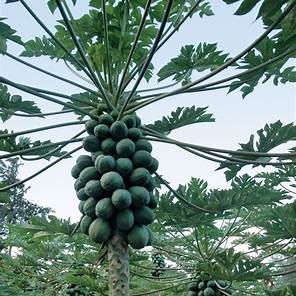
Papaya Tree (Carica papaya): A Complete Guide to Its Curative Properties and Ayurvedic Uses
Meta Description:
Discover the healing power of the papaya tree. Learn how papaya fruit, seeds, leaves, flowers, and raw papaya milk support digestion, treat stomach disorders, and are used in ancient Ayurveda.
SEO Keywords:
Papaya tree benefits, papaya digestive aid, papaya in Ayurveda, papaya leaves medicinal uses, papaya seeds health benefits, raw papaya milk uses, papaya stomach disorders, Carica papaya healing properties
Introduction
The papaya tree (Carica papaya) is often called a “natural medicine chest” because almost every part of the plant—fruit, seeds, leaves, flowers, and even the milky latex of raw papaya—has medicinal value. Native to tropical America, papaya is now widely grown in India and other tropical regions. In Ayurveda, papaya has been used for centuries to support digestion, treat stomach ailments, improve metabolism, and enhance overall health. This blog explores the curative properties of the papaya tree, with special focus on digestive health and traditional Ayurvedic remedies.
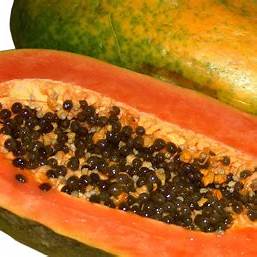
ALt Text papaya seed and skin and leaf all curative properties
Nutritional and Medicinal Composition of Papaya
Papaya is rich in vitamins A, C, E, and B-complex, along with minerals like potassium, magnesium, calcium, and iron. It contains powerful enzymes such as papain and chymopapain, which play a key role in digestion. The plant also has antioxidants, flavonoids, alkaloids, and antibacterial compounds, making it valuable for both preventive and curative health care.
Papaya as a Digestive System Aid
Improves Digestion
Papaya is best known for its digestive benefits. The enzyme papain helps break down proteins into simpler amino acids, making digestion easier and reducing the burden on the stomach and intestines. Ripe papaya is commonly advised for people suffering from indigestion, bloating, gas, and heaviness after meals.
Relieves Constipation
Papaya is rich in dietary fiber and water content, which softens stools and promotes regular bowel movements. Ayurveda recommends ripe papaya early in the morning for chronic constipation.
Supports Gut Health
Papaya helps maintain a healthy gut environment by reducing inflammation and supporting beneficial gut bacteria. It is often used in mild cases of irritable bowel symptoms.
Papaya in Other Stomach and Gastrointestinal Disorders
Acidity and Gastritis
Papaya has a cooling effect on the stomach and helps neutralize excess acid. Regular intake of ripe papaya can relieve burning sensation, acid reflux, and gastritis.
Peptic Ulcers
Papain and antioxidants in papaya help protect the stomach lining and promote healing of ulcers. In Ayurveda, papaya is used as a supportive food during ulcer recovery.
Intestinal Worms
Papaya seeds are traditionally used as a natural anthelmintic. They help expel intestinal worms, especially in children, when used carefully under guidance.
Medicinal Uses of Different Parts of the Papaya Tree
Papaya Seeds
Alt text Medicinal Uses of Different Parts of the Papaya Tree
Papaya seeds have a strong, peppery taste and possess antibacterial, antifungal, and antiparasitic properties.
Uses:
- Treatment of intestinal worms
- Improving liver function
- Supporting digestion in small quantities
In Ayurveda, dried and powdered papaya seeds are sometimes mixed with honey for therapeutic use.
Papaya Leaves
Papaya leaves are highly valued in traditional medicine. They contain alkaloids, enzymes, and immune-supporting compounds.
Uses:
- Improving digestion
- Supporting liver health
- Traditionally used to manage fevers and low platelet conditions
- Used as a bitter tonic in Ayurveda to stimulate appetite
Papaya leaf juice is used cautiously due to its strong nature.
Papaya Flowers
Papaya flowers are bitter in taste and are used in Ayurvedic remedies.
Uses:
- Treatment of cough and respiratory congestion
- Appetite stimulation
- Support in digestive sluggishness
Flower decoctions are used in small doses for therapeutic benefits.
Raw Papaya Milk (Latex)
The milky latex obtained from unripe papaya is rich in papain.
Uses:
- Digestive enzyme preparation
- Used externally for skin conditions like corns and warts
- Traditionally used in very small doses for intestinal disorders
In Ayurveda, raw papaya latex is considered potent and must be used carefully under expert supervision.
Role of Papaya in Ancient Ayurveda
In Ayurveda, papaya is described as “Deepana” (appetizer) and “Pachana” (digestive). It balances Vata and Kapha doshas when used appropriately. Ancient Ayurvedic texts and folk practices used papaya to:
- Improve digestive fire (Agni)
- Remove toxins (Ama) from the gut
- Treat abdominal pain, bloating, and worm infestation
- Support liver and spleen function
Papaya was often recommended as a food-medicine, meaning it served both nutritional and therapeutic roles.
Precautions and Safe Use
- Excess consumption of raw papaya or latex may cause stomach irritation.
- Pregnant women should avoid raw papaya due to its uterine-stimulating properties.
- Papaya seeds and leaf extracts should be taken in moderation and preferably under expert guidance.
Conclusion
The papaya tree is truly a gift of nature, offering remarkable digestive and curative benefits. From improving digestion and relieving constipation to treating stomach disorders and supporting overall gut health, papaya plays a vital role in traditional and modern wellness. Ayurveda recognized its medicinal value centuries ago, using different parts of the plant as natural remedies. When used wisely, papaya can be an effective, affordable, and natural support for digestive health and general well-being.
Disclaimer:
This article is for educational purposes only. Ayurvedic remedies should be used under the guidance of a qualified healthcare professional.