Attitude Matters: Why Negativity Blocks Growth and How It Passes Across Generations
Discover why the absence of negativity does not equal positivity, how negative attitudes become obstacles in life, and whether attitudes can be passed from one generation to the next. A simple, inspiring blog on building positive mindsets.
Category
Personal Growth / Mindset
Tags
– Positive Attitude
– Generational Mindset
– Personal Growth
– Negativity and Society
– Life Lessons
Blog Content
Introduction
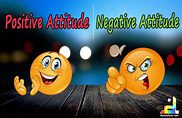
Good health is not just the absence of illness, and positivity is not simply the absence of negativity. These truths remind us that life is more than survival—it is about thriving. Life itself is like an obstacle course, full of challenges and hurdles. Often, the biggest obstacle we face is not outside us, but inside: our own attitude. A negative attitude can hold us back, damage relationships, and even become a burden to society. But the deeper question is—do attitudes pass from one generation to the next? Let’s explore this subject in detail.
Absence of Illness ≠ Good Health internal link
When we say someone is healthy, we don’t just mean they are free from disease. True health includes energy, resilience, and emotional balance. Similarly, a person who is not negative is not automatically positive. Positivity requires active effort—hope, gratitude, and constructive thinking. Just as exercise and nutrition build health, conscious choices and habits build positivity.
Life as an Obstacle Course
Life constantly tests us. There are financial struggles, family responsibilities, social pressures, and personal doubts. These challenges are like hurdles in a race. Some people clear them with courage, while others stumble because of their mindset. A negative attitude makes every hurdle look taller and every path darker. Instead of finding solutions, negativity magnifies problems. In this way, we become our own biggest obstacle.
Negative Attitudes as a Social Liability
Negativity is not just personal—it spreads. A person with a negative attitude often discourages others, blocks teamwork, and resists change. In workplaces, such people reduce productivity. In families, they create tension. In society, they spread hopelessness. Just as pollution harms the environment, negativity pollutes the social atmosphere. That is why people with negative attitudes can become liabilities, dragging down progress for everyone.
Do Attitudes Pass Across Generations?
Negative Attitudes as a Social Liability keep learning more
This is a fascinating question. Research in psychology suggests that attitudes are shaped by both environment and upbringing. Children observe parents, teachers, and community leaders. If they grow up in an atmosphere of fear, complaint, or pessimism, they often adopt similar patterns.
– Family Influence: Parents who constantly complain or criticize unknowingly teach their children to do the same.
– Cultural Influence: Communities that glorify struggle but ignore hope may pass down negativity as a cultural trait.
– Social Media & Environment: Today, even digital spaces influence attitudes. Negativity online can reinforce pessimism across generations.
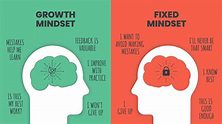
However, attitudes are not fixed. Just as diseases can be prevented, negative attitudes can be corrected. A child raised in a negative environment can still choose positivity through education, mentorship, and self-awareness.
Breaking the Cycle of Negativity
The good news is that attitudes are not destiny. They are habits of thought, and habits can be changed. Here are simple ways to break the cycle:
– Awareness: Recognize when negativity dominates your thoughts.
– Gratitude Practice: Focus daily on small blessings.
– Positive Role Models: Surround yourself with people who inspire hope.
– Constructive Action: Instead of complaining, take small steps toward solutions.
– Teaching Positivity: Parents and teachers can consciously model optimism for the next generation.
When one person changes, it creates a ripple effect. A positive attitude in one family member can inspire others, and eventually shift the family culture.
Why Positivity Is a Social Asset
Positivity is not about ignoring problems—it is about facing them with courage. Positive people encourage others, build trust, and create solutions. They are assets to society because they spread hope, strengthen communities, and drive progress. Just as healthy individuals contribute to a healthier society, positive individuals contribute to a stronger, more compassionate world.
Conclusion
The absence of illness does not equal good health, and the absence of negativity does not equal positivity. Life is an obstacle course, and our attitude determines whether we stumble or succeed. Negative attitudes not only harm individuals but also burden society. While attitudes can pass from one generation to the next, they are not permanent. With awareness, effort, and positive role models, we can break the cycle of negativity and build a culture of hope.
Positivity is a choice, a practice, and a gift we can pass on to future generations. By choosing optimism today, we invest in a brighter tomorrow.