
“How Long Should You Wait After First Delivery Before Second? WHO Guidelines & Why the First 2 Years of Child Brain Growth Matter”
Category:
Health, Pregnancy, Child Development
Tags:
Pregnancy spacing, WHO guidelines, birth spacing, first 1000 days, early brain development, child milestones, maternal recovery
Introduction
Many parents wonder: “After my first baby, how long should I wait before having my second?” Choosing the right time is important not just for maternal health, but also for the baby’s health and development. The World Health Organization (WHO) and many health experts give guidelines to help mothers plan their next pregnancy safely. In this article, we will explain:
- What the WHO says about spacing between pregnancies.
- How long a mother’s body generally needs to recover.
- Why the first two years of a baby’s life are critical for brain development and future growth.
We will write in simple English so it is easy to understand.
1. What WHO Recommends About Time Between Pregnancies
A. Minimum Waiting Time
According to the World Health Organization and family health authorities:
👉 After a live birth, it is recommended to wait at least 24 months (2 years) before trying to get pregnant again. This is the minimum interval recommended for the best health outcomes.
This time period is measured from birth of the first child to the conception of the second child.
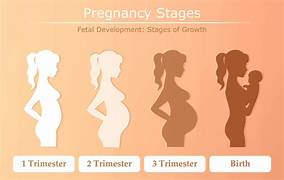
WHO Recommends About Time Between Pregnancies illustrations
B. Why 2 Years?
Waiting at least 2 years has benefits such as:
- Reduced chances of being born too small (low birth weight) or too early (preterm birth).
- Lower health risks for the mother (less maternal anemia and other complications).
C. Birth-to-Birth Interval
In terms of birth-to-birth interval, WHO’s guideline of 24 months between pregnancies equals a birth-to-birth interval of about 33 months (because the next pregnancy lasts around 9 months).
Many organizations indicate that an interval of 2–3 years is ideal and may even be safer, especially where maternal nutrition and medical care differ widely.
Keep learning from WHO & ICMR guidlines internal link
D. Special Situations
- After a miscarriage or abortion, the recommended waiting time before trying again is at least 6 months.
- Women with certain medical conditions (e.g., after a cesarean section) might be advised to wait different times by their doctor.
2. Why Should a Mother’s Body Recover Before Second Pregnancy?
Pregnancy and childbirth demand a lot from a woman’s body. The period after birth is when her body:
A. Replenishes Nutrients
Pregnancy and breastfeeding use up key nutrients like iron and folate. These are needed not only for energy but also for a healthy pregnancy next time. Waiting gives the body time to replenish these stores.
B. Heals Physically and Mentally
The uterus and reproductive system need time to heal fully. Emotional and mental recovery also continues after birth, especially during the first months.
C. Reduces Pregnancy Risks
Short gaps between pregnancies (especially less than 18 months) are linked with higher risks of issues like:
- Premature labor
- Low birth weight
- Placental problems
- Maternal anemia and exhaustion
Although different health groups sometimes suggest a minimum of 18 months between pregnancies, the WHO recommends 24 months to keep things safe for all mothers around the world.
3. First 2 Years: The Most Critical Time for Brain Development
A. What Happens in the Brain After Birth?
The time from birth to a child’s second birthday (about the first 1000 days) is the most rapid period of human brain growth. During this time:
- The brain grows faster than at any later stage.
- A baby forms millions of neural connections every second.
- The environment shapes which connections stay and which fade.
This period is a once-in-a-lifetime opportunity for a child’s brain development.
B. Why Is This Important?
During these early years, the brain learns to understand:
- Language and sounds
- Facial expressions like smiling, fear, and laughter
- Movement and physical coordination
- Emotional responses
- Memory, attention, and early thinking skills
The brain builds a foundation for future abilities like math understanding, problem solving, language skills, and social behavior.
C. What Supports Healthy Brain Development?
Healthy brain development depends on:
- Nutrition: Breastfeeding gives essential nutrients that support brain growth. WHO recommends exclusive breastfeeding for the first six months and continued breastfeeding up to two years.
- Responsive care: Love, talking, playing, and affectionate responses help build neural networks.
- Protection and health care: Vaccinations, safe homes, and clean water also help keep the child healthy.
- Early learning: Interaction with parents and caregivers helps with language and thinking skills.
4. Milestones You Might See in the First Two Years
Here are some key developmental stages in simple terms:
- First 3 months: Recognizes familiar voices, smiles socially.
- 6 months: Laughs, interacts with people, loves play.
- 9–12 months: Understands simple words, responds to name.
- 1 year: Walks with support, says simple words.
- 18 months: Points to objects, shows preferences.
- 2 years: Uses short sentences, follows simple directions.
These stages show how quickly the brain and nervous system develop in the first two years.
5. How Spacing Between Babies Helps the First Child Too
When the first child has more time with parents before a sibling is born:
- The child may get more emotional support and guidance.
- Feeding (especially breastfeeding) can continue without abrupt changes.
- Parents can notice the child’s individual needs and strengths.
This does not mean shorter gaps are always harmful, but longer spacing (about 2–3 years) gives both mother and child more time to grow emotionally and physically before the next birth.
6. Conclusion
Spacing pregnancies is not just a number — it affects the health of the mother, survival and growth of babies, and even the foundation of a child’s brain development. According to WHO:
✅ Wait at least 24 months after a live birth before trying for the next pregnancy.
During the first two years of a child’s life, the brain develops faster than at any time in life. This period shapes language, emotions, thinking, and lifelong learning capacity.
Parents should talk with healthcare professionals to tailor these general guidelines to their personal health, lifestyle, and local medical advice.
References (Cited in Text)
- WHO family planning and birth spacing recommendations.
- WHO recommended intervals to reduce health risks.
- WHO birth-to-birth spacing explanation.
- First 2 years critical for brain development (UNICEF).