Here is a detailed elaboration on the homeopathic medicine Cinnabaris, covering its origin, traditional uses, homeopathic preparation, key characteristics, and modern applications.
https://dailydrdose.com Keep rading internal link
1. Origin and Source: The Mineral
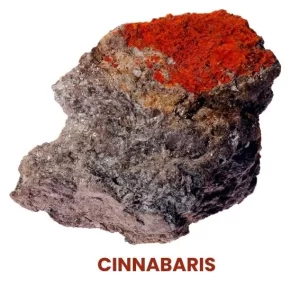
· Chemical Identity: Cinnabaris is the homeopathic name for Mercuric Sulfide (HgS), most commonly occurring in its natural mineral form as Cinnabar. This is not to be confused with the plant Cinnamomum (cinnamon).
· Historical and Alchemical Significance: Cinnabar, with its striking vermilion red color, has been one of the most important sources of pigment (vermilion) in art and cosmetics since antiquity. It was also critically important in alchemy for extracting mercury (quicksilver). The mineral’s association with mercury imbued it with both medicinal and toxicological significance in historical materia medica.
· Toxicity: Raw cinnabar and mercuric sulfide are toxic due to their mercury content. This underscores a fundamental principle of homeopathy: it uses substances that are potentized (highly diluted and succussed) to eliminate toxicity while aiming to retain a therapeutic effect.
2. Homeopathic Preparation and “Proving”
· The homeopathic remedy is prepared through a process of serial dilution and vigorous shaking (succussion), known as potentization.
· The characteristics of the remedy were established through homeopathic provings in the 19th century, primarily recorded in sources like Dr. Constantine Hering’s Guiding Symptoms and later homeopathic materia medicas. In a proving, healthy individuals take the potentized substance and meticulously record all mental, emotional, and physical symptoms that develop. This collective symptom picture defines the remedy’s clinical application.
3. Core Therapeutic Domain: Mucous Membranes and Nerves
In homeopathic philosophy, Cinnabaris is classified as a deep-acting, polycrest remedy with a strong affinity for:
· The mucous membranes (especially of the genitourinary tract and nasopharynx).
· The nervous system.
· Skin and connective tissues.
Its symptom picture often involves conditions with burning, raw sensations, and a characteristic dark red or bluish-red discoloration.
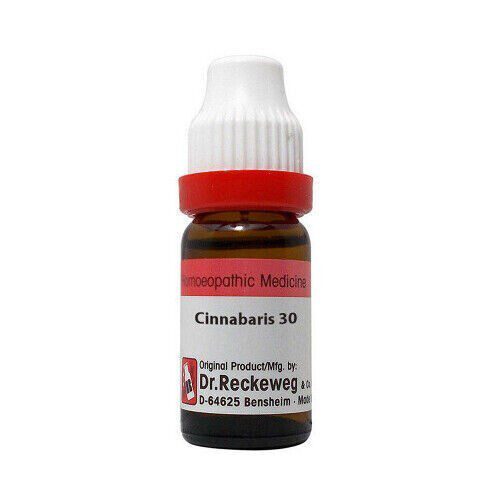
Dr Reckweg homeopathy medicine see illustration
—
4. Primary Uses and Characteristic Symptoms
Homeopathic prescribing is based on the “totality of symptoms” matched to the remedy picture. Key indications for Cinnabaris include:
A. Genitourinary Conditions (Its Most Celebrated Use):
· Gonorrhea & Urethritis: Historically and classically used for chronic gonorrhea (gleet) with thick, greenish discharge. It is indicated for burning pains during and after urination, and a sensation of a drop of urine constantly passing through the urethra.
· Prostatitis: For inflamed prostate with similar burning, raw sensations.
· Condylomata (Genital Warts): Specifically for large, moist, fleshy warts that bleed easily.
B. Eye and Nasal Conditions:
· Chronic Sinusitis & Nasal Catarrh: For thick, yellow-green, foul-smelling discharge. Sensation of a “plug” at the root of the nose or in the forehead sinuses is highly characteristic.
· Blepharitis & Styes: Inflammation of the eyelid margins, with agglutination (sticking together) and burning.
· Iritis & Uveitis: Inflammation of the iris, often with intense pain, photophobia, and the sensation of a “band around the forehead.”
C. Skin Conditions:
· Acne: Particularly papulo-pustular acne (red bumps with pus), often on the forehead and nose.
· Ulcers & Sores: That are bluish-red, burning, and sensitive.
· Erysipelas: A skin infection with a well-defined, dark red, swollen, and burning area.
D. Neurological and Pain Symptoms:
· Headaches: Concentrated at the root of the nose or in small spots. Pain may be stitching or burning.
· Neuralgias: Burning, stitching pains along nerve pathways.
· Mental State: Often described as a sense of confusion, dullness, and difficulty concentrating, as if in a dream. There can be anxiety about health (hypochondriasis).
5. Guiding Modalities
· Worse (Aggravation): From heat, at night, from touch or pressure.
· Better (Amelioration): From cold applications, in the open air.
6. Important Cautions and Modern Context
1. Not a Substitute for Conventional Care: Serious conditions like gonorrhea, prostatitis, or iritis require prompt medical diagnosis and conventional treatment (e.g., antibiotics). Homeopathy may be used complementarily under the supervision of a trained practitioner.
2. No Self-Prescribing for Serious Issues: Due to the complexity of its symptom picture and the seriousness of the conditions it addresses, Cinnabaris is not a remedy for self-prescription.
3. Remedy Relationship: It is often compared to other mercury-based remedies (like Mercurius solubilis) and remedies for catarrh (like Hydrastis or Kali bichromicum).
Summary
Cinnabaris is a homeopathic remedy prepared from the toxic mineral mercuric sulfide (cinnabar). Its therapeutic profile, derived from 19th-century provings, centers on chronic, burning inflammations of mucous membranes, with a hallmark affinity for the genitourinary tract and nasopharynx. Its key identifiers include sensations of a “plug at the root of the nose,” a constant drop-like sensation in the urethra, and conditions exhibiting a dark red or bluish discoloration. While it holds a significant place in classical homeopathic literature, its use today requires expertise to differentiate it from similar remedies and to ensure it is part of a safe, integrated approach to health.