
The Hidden Risk of “Dead Water” from RO Machines
Understanding the Mineral Loss and Its Impact on Heart Health
Category: Health & Wellness
Tags: RO Water, Dead Water, Mineral Deficiency, Magnesium, Potassium, Heart Health, Cardiac Arrest, Drinking Water Safety, India Health Awareness
In India, almost every urban household now uses a Reverse Osmosis (RO) water purifier. It has become a symbol of safe and clean drinking water. The RO industry in India is estimated to be worth around ₹30,000 crore, which shows how widely it is accepted.
But an important question arises — Are we drinking clean water, or are we drinking “dead water”?
Recently, many people who tested their RO water found something surprising: it contains almost zero essential minerals like magnesium and potassium. These minerals are not just optional nutrients — they are vital for our heart, nerves, and muscles.
Let us understand this issue in simple language.
What is RO Water?
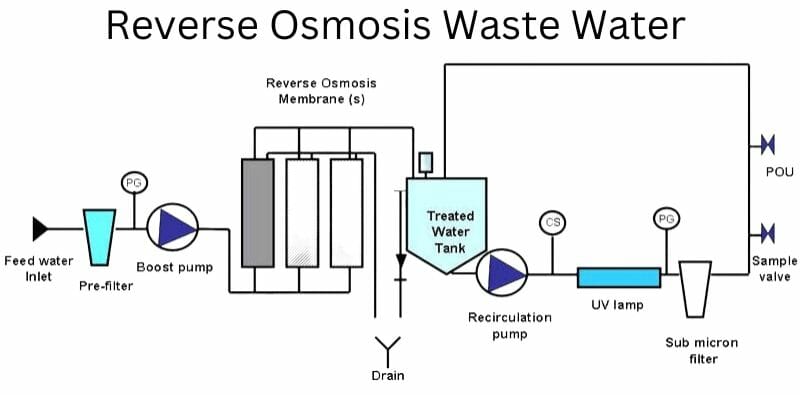
RO (Reverse Osmosis) is a water purification process that removes:
- Dirt and impurities
- Bacteria and viruses
- Heavy metals
- Excess salts
- Dissolved solids
The process pushes water through a very fine membrane. While this makes water very pure, it also removes beneficial minerals.
This is where the concern begins.
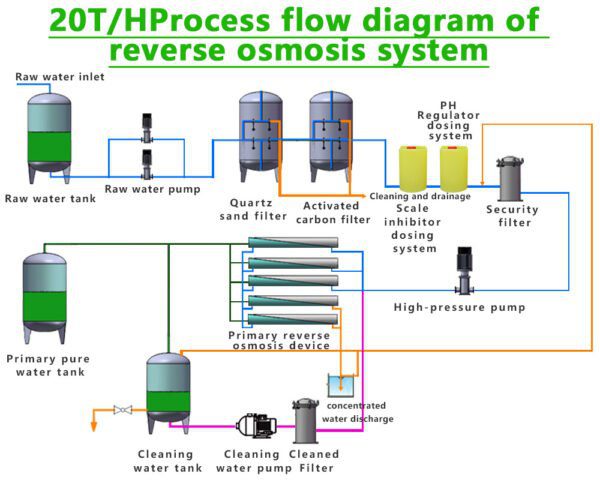
RO Water is a DEAD WATER illustrated above
What is “Dead Water”?
The term “dead water” is commonly used to describe water that has:
- Very low Total Dissolved Solids (TDS)
- Almost no natural minerals
- Flat or tasteless quality
When magnesium, potassium, and calcium are removed completely, the water loses its natural mineral balance. It becomes chemically pure but nutritionally empty.
Water in nature always contains some minerals. Completely demineralized water is not natural drinking water.
Why Are Magnesium and Potassium Important?
Our body depends heavily on minerals for proper functioning.
1. Magnesium
Magnesium helps in:
- Regulating heartbeat
- Relaxing blood vessels
- Supporting nerve function
- Preventing muscle cramps
Low magnesium levels can increase the risk of:
- Irregular heartbeat
- High blood pressure
- Weak heart muscles
2. Potassium
Potassium helps in:
- Maintaining fluid balance
- Proper muscle contraction
- Electrical activity of the heart
Low potassium can cause:
- Heart rhythm problems
- Muscle weakness
- Fatigue
- Severe cases: cardiac arrest
The heart is an electrical organ. It works through electrical impulses. Magnesium and potassium are key electrolytes in maintaining this electrical balance.
Is RO Water Alone Responsible for Cardiac Arrest?
We must be careful here.
Cardiac arrest cases in India are increasing. Lifestyle factors like:
- Stress
- Lack of exercise
- Junk food
- Smoking
- Diabetes
- High blood pressure
play a major role.
However, long-term consumption of mineral-deficient water may contribute indirectly to mineral imbalance, especially if diet is also poor.
Water is not the only source of magnesium and potassium — we also get them from:
- Green leafy vegetables
- Fruits like banana and coconut water
- Nuts and seeds
- Whole grains
But if both diet and water lack minerals, the risk increases.
The Hidden Problem in India
In many Indian cities:
- Municipal water is already safe.
- Borewell water TDS is moderate.
- Yet households still use RO systems unnecessarily.
If the input water TDS is below 300 ppm, using RO may not even be required. Simple UV or sediment filtration is often enough.
But due to fear of contamination, marketing pressure, and lack of awareness, RO has become default in many homes.
This may lead to:
- Over-purification
- Wastage of water (RO wastes 50–70% water)
- Loss of essential minerals
What Does Science Say?
The World Health Organization (WHO) has noted that long-term consumption of very low mineral water may:
- Increase diuresis (urine output)
- Remove electrolytes from the body
- Affect mineral balance
However, severe deficiency usually occurs due to poor diet rather than water alone.
So the issue is not panic — it is balance.
How to Check If Your RO Water Is Safe
You can:
- Test TDS level (ideal drinking water TDS: 150–300 ppm)
- Check if your RO has a TDS controller or mineral cartridge
- Ensure it adds back essential minerals
If TDS is below 50 ppm, the water may be too pure.
Practical Solutions
Instead of completely rejecting RO systems, consider these smart steps:
1. Use RO Only When Necessary
If your water TDS is very high (>500 ppm), RO is useful.
2. Choose RO with Mineralizer
Modern systems have:
- TDS controller
- Copper enrichment
- Mineral cartridge
These restore magnesium and calcium.
3. Improve Diet
Eat:
- Spinach
- Pumpkin seeds
- Almonds
- Bananas
- Coconut water
A balanced diet can compensate mineral loss from water.
4. Periodic Health Check
Check:
- Serum magnesium
- Serum potassium
- Blood pressure
- ECG if required
Prevention is better than emergency treatment.
Final Thoughts
Water is life. But water without minerals is not ideal for long-term health.
RO technology is powerful and necessary in polluted areas. But blind usage without checking water quality may not be wise.
The solution is not fear — the solution is awareness.
Instead of asking, “Is RO good or bad?”
We should ask, “Is RO necessary for my water source?”
A healthy heart needs:
- Good food
- Good lifestyle
- Balanced minerals
- Clean but not over-purified water
Let us make informed decisions and spread awareness.
Because health is not just about removing impurities — it is about maintaining balance.