🎓 Does Tuition in India, Kill Creativity , Research?
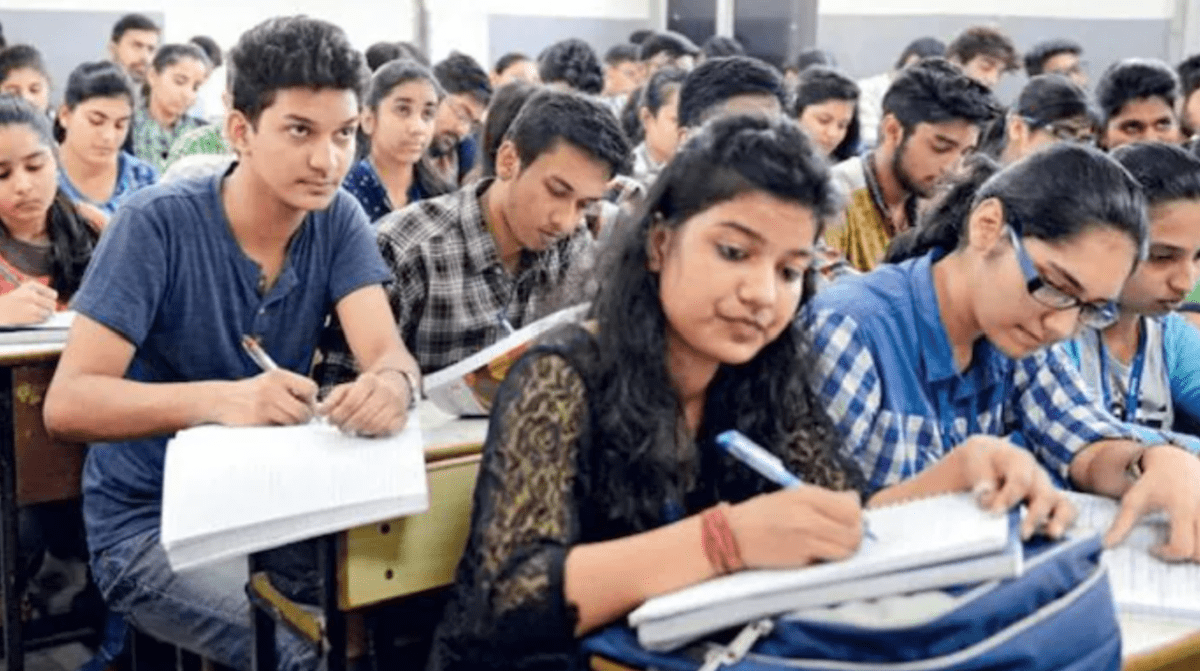
Education is meant to ignite curiosity, inspire innovation, and prepare young minds to solve problems. Yet, in India, the tuition culture—spanning from kindergarten to university—has become so dominant that many parents, students, and educators now question whether it nurtures or stifles the ability to think independently, research deeply, and develop creatively.
📚 The Rise of Tuition Culture
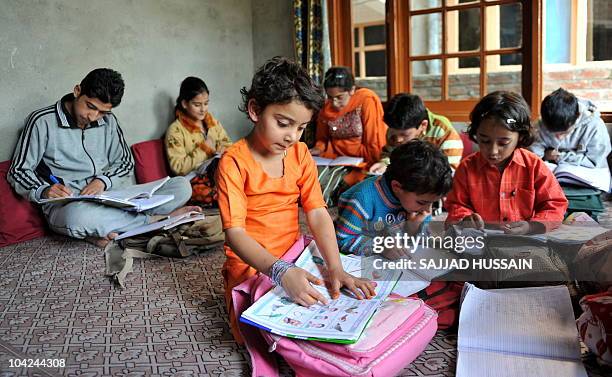
– Early Start: Children as young as 4 or 5 are enrolled in tuition classes alongside school. Parents fear that without extra coaching, their child will “fall behind.”
– Exam-Oriented System: With board exams, competitive tests (like JEE, NEET, UPSC), and marks-driven admissions, tuition centers promise shortcuts to success.
– Commercialization: Tuition has become a multi-billion rupee industry, often overshadowing schools themselves. In many towns, coaching institutes are more influential than formal classrooms.
🧠 Impact on Thinking and Research
1. Rote Learning Over Inquiry: Tuition often emphasizes memorization of formulas, essays, and “model answers.” Students learn what to write, not why it matters.
2. Suppression of Curiosity: When every hour is scheduled—school, tuition, homework—there’s little room for exploration, questioning, or creative play.
3. Dependency: Students begin to rely on tutors for every explanation, losing confidence in their own ability to analyze or solve problems.
4. Neglect of Research Skills: Rarely do tuition classes encourage projects, experiments, or independent reading. The focus is on speed and accuracy, not depth.
🌱 Developmental Consequences
– Mental Fatigue: Long hours of repetitive coaching can lead to burnout, anxiety, and loss of interest in learning.
– Reduced Innovation: India produces millions of graduates, but only a fraction engage in original research or patents. The system rewards replication, not invention.
– Unequal Access: Tuition widens the gap between rich and poor. Those who can afford coaching often outperform, while others are left behind despite equal potential.
✨ Inspiring Creativity: What’s Missing
Education should cultivate:
– Critical Thinking: The ability to question assumptions and evaluate evidence.
– Problem-Solving: Applying knowledge to real-world challenges.
– Collaboration: Learning through teamwork and discussion, not isolated drills.
– Passion Projects: Encouraging students to pursue interests—art, science experiments, writing—that spark imagination.
Unfortunately, tuition rarely provides these. Instead, it narrows learning to exam preparation.
📊 Case Study: Tuition vs. Research
– Tuition Outcome: A student memorizes 200 physics problems and scores 95% in exams.
– Research Outcome: Another student designs a simple solar-powered water pump for rural use. The second student may score less in exams but contributes to society with innovation.
This contrast highlights the difference between marks-driven success and meaningful development.
🔑 Why Parents Choose Tuition
– Fear of competition and failure.
– Lack of trust in school teaching quality.
– Peer pressure—“everyone else is doing it.”
– Belief that tuition guarantees better career prospects.
While understandable, these choices often overlook the long-term cost: diminished creativity and independent thought.
💡 The Way Forward
1. Reform School Education: Strengthen classroom teaching so parents don’t feel tuition is essential.
2. Encourage Research Early: Introduce project-based learning from primary school—science fairs, debates, coding clubs.
3. Limit Tuition Dependency: Use tuition only for genuine support, not as a replacement for curiosity.
4. Promote Creativity: Arts, sports, and innovation labs should be valued as much as exam scores.
5. Policy Intervention: Government and boards must redesign exams to test application and reasoning, not rote memory.
Conclusion
Tuition in India, while offering short-term academic gains, often kills the spark of curiosity and the courage to explore. It produces students who can reproduce answers but struggle to innovate. If India dreams of becoming a knowledge superpower, the focus must shift from tuition-driven marks to education that inspires thinking, research, and creativity.
The challenge is not to abolish tuition altogether but to redefine success—from high scores to high imagination, from memorization to meaningful contribution. Only then will education fulfill its true purpose: shaping minds that can question, create, and transform society.