
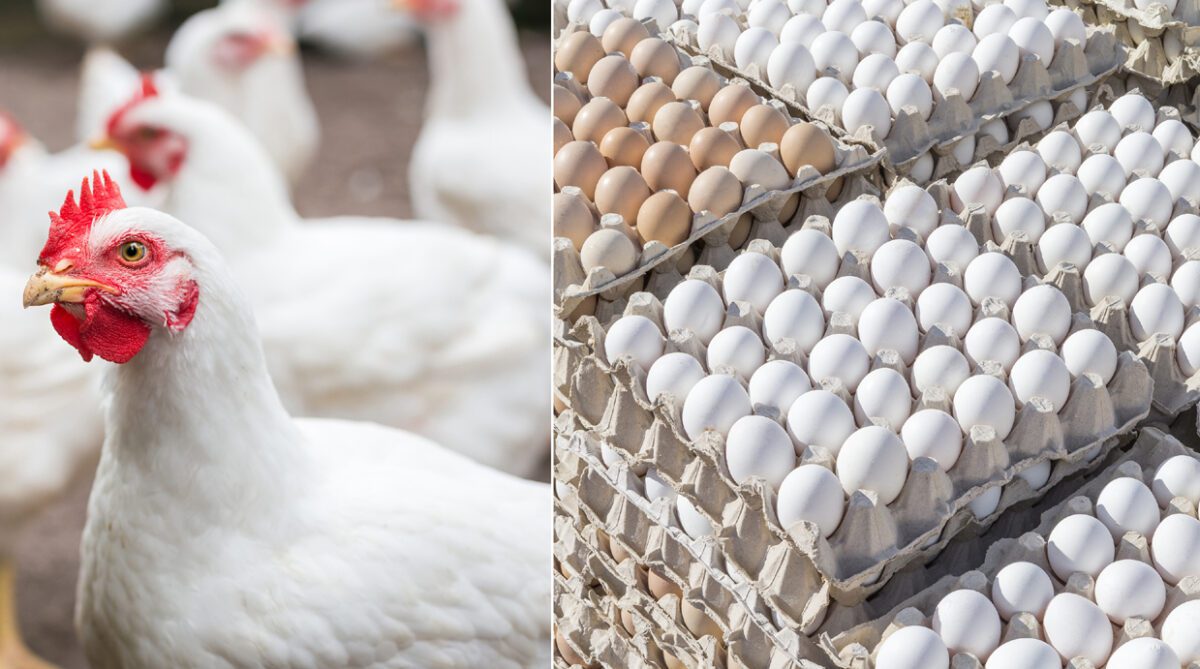
Are Poultry Chicken and Eggs Safe? Understanding the Science, Chemicals, and Concerns
Category: Health & Food Safety
Tags: poultry farming, chicken growth, egg safety, food adulteration, antibiotics in poultry, nutrition, India food safety, poultry industry
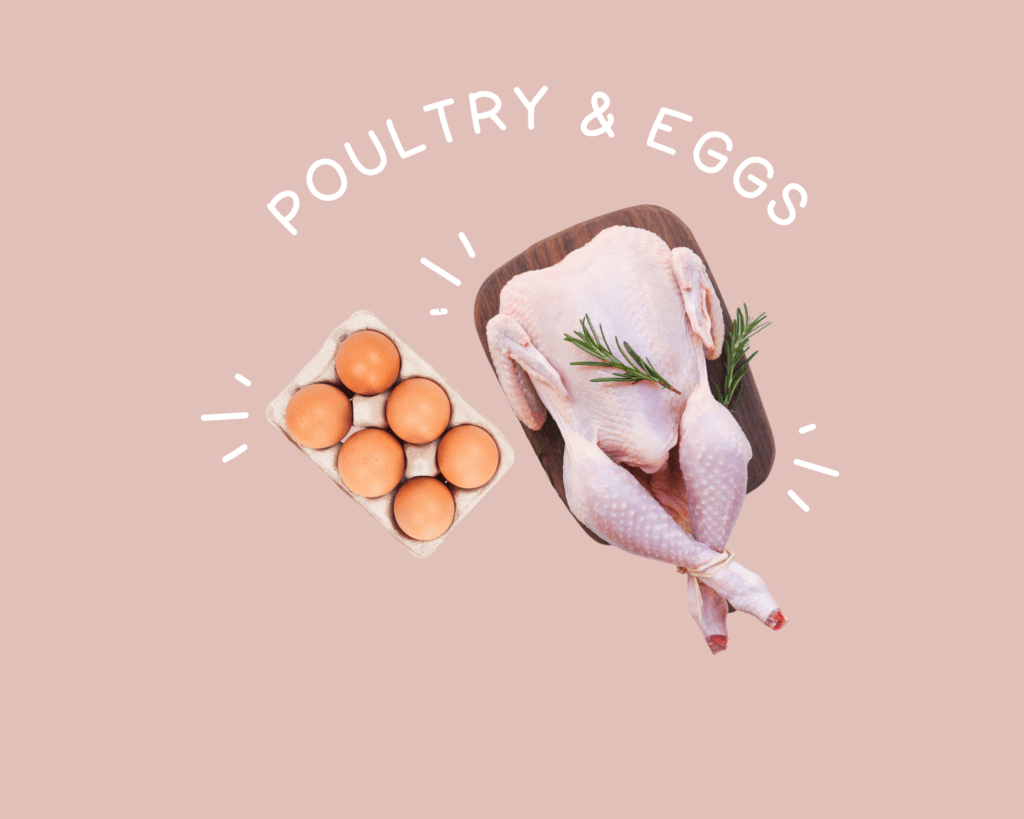
poultry chicken and eggs are really safe? illustration chicken & eggs
Introduction
In recent years many consumers have become suspicious about the safety of poultry chicken and eggs. Social media and public discussions often raise questions such as:
- Why do poultry chickens grow so fast?
- Are they genetically engineered in laboratories?
- Do chemicals and antibiotics contaminate eggs?
- Are eggs laid without a rooster unnatural?
- Are food safety rules ignored in countries where profit dominates the market?
These concerns deserve careful examination. Poultry meat and eggs are among the most widely consumed animal foods in the world, but they also raise genuine questions about industrial farming practices, chemical use, and food safety regulations.
This article explains the science behind poultry farming, egg production, growth hormones, antibiotic use, and possible health concerns in a simple, evidence-based way.
keep reading more similar articles
Origin of Modern Poultry Chicken
Many people believe modern poultry chickens were created in laboratories. In reality, this is not correct.
Modern broiler chickens developed through selective breeding over many decades.
The domestic chicken originally came from the wild bird known as the Red Junglefowl, native to South and Southeast Asia.
During the 20th century, poultry scientists and breeders in countries such as the United States and United Kingdom began breeding chickens that grew faster and produced more meat or eggs.
A major turning point occurred in 1948 when the Chicken of Tomorrow Contest was organized in the United States. This program encouraged breeders to develop chickens that grew faster and produced more meat efficiently. The contest led to the development of modern broiler breeds.
Today, global poultry breeding is dominated by companies such as:
- Cobb‑Vantress
- Aviagen
- Hubbard Breeders
These companies produce genetically selected breeds, not laboratory-created animals.
Why Poultry Chicken Gains Weight So Fast
Modern broiler chickens grow much faster than traditional village chickens. Several factors explain this rapid growth.
1. Selective Breeding
For over 70 years, poultry scientists have bred chickens that convert feed into meat very efficiently. As a result:
- Chickens that once needed 4–5 months to reach market size now grow in 5–6 weeks.
2. High-Energy Feed
Commercial poultry feed contains:
- maize (corn)
- soybean meal
- vitamins and minerals
- amino acids such as lysine and methionine
These nutrients are carefully balanced to promote fast growth.
3. Controlled Environment
Modern poultry farms maintain:
- controlled temperature
- continuous lighting cycles
- automated feeding systems
This reduces stress and allows chickens to eat frequently.
4. Veterinary Care
Vaccinations and disease control reduce mortality and help chickens grow consistently.
Contrary to popular belief, growth hormones are generally not used in commercial poultry farming, because they are expensive and impractical to administer to millions of birds.
Do Chickens Need a Rooster to Lay Eggs?
A common misunderstanding is that hens must mate with a rooster to produce eggs.
In reality:
- Hens naturally lay eggs even without mating.
- A rooster is required only if the egg needs to hatch into a chick.
This process is similar to ovulation in humans. The egg that humans eat is simply an unfertilized reproductive cell.
Therefore, eggs from commercial farms are usually unfertilized.
Do Eggs Contain Harmful Chemicals?
The safety of eggs depends largely on how poultry is raised and what substances are used in farming.
Sometimes concerns arise about residues from antibiotics or veterinary drugs.
One commonly discussed drug is Nitrofurans (often confused with “nurofuron”). These antibiotics were once used to prevent bacterial infections in animals.
Because some nitrofuran compounds showed potential cancer-causing effects, their use in food animals has been banned or restricted in many regions, including the European Union and other countries.
However, illegal use can still occur if regulation and monitoring are weak.
How Drug Residues Can Affect Human Health
If poultry products contain antibiotic residues, they may cause several potential problems.
1. Antibiotic Resistance
Frequent exposure to antibiotics in food may contribute to bacteria becoming resistant to treatment.
This is now recognized as a major global health issue by organizations such as the World Health Organization.
2. Metabolic and Hormonal Effects
Some veterinary drugs may interfere with metabolic processes if consumed repeatedly in contaminated food, although most residues detected in regulated markets are typically far below harmful levels.
3. Allergic Reactions
Certain individuals may experience allergic reactions to specific antibiotics present in trace amounts.
Are Egg Yolks Safe to Eat?
Despite concerns, egg yolks remain nutritionally valuable.
Egg yolks contain:
- high-quality protein
- vitamin A
- vitamin D
- vitamin B12
- iron
- selenium
- choline
Nutrition researchers consistently show that eggs are among the most nutrient-dense foods available.
Moderate egg consumption is generally considered safe for healthy individuals.
Food Adulteration and Regulation Challenges
Public distrust often arises when consumers believe food safety regulations are poorly enforced.
In India, food safety is regulated by the Food Safety and Standards Authority of India.
The authority sets limits for:
- antibiotic residues
- pesticide contamination
- food adulteration
However, enforcement can be inconsistent in some regions due to:
- fragmented supply chains
- informal markets
- lack of inspection resources
These issues are not unique to one country. Food safety challenges exist worldwide.
Are Poultry Chicken and Eggs Safe to Eat?
Most scientific studies indicate that poultry meat and eggs are generally safe when produced under regulated conditions.
Consumers can reduce risk by following simple practices:
- Buy eggs and chicken from reputable suppliers.
- Cook poultry thoroughly.
- Avoid raw or undercooked eggs.
- Maintain proper kitchen hygiene.
Government monitoring, improved farm practices, and consumer awareness are essential for maintaining food safety.
Conclusion
The rapid growth of poultry chicken is mainly the result of decades of selective breeding, improved nutrition, and better farming techniques, not laboratory creation.
While concerns about antibiotic use and food adulteration are valid and deserve serious attention, it is also important to rely on scientific evidence rather than myths.
Eggs remain a nutritious and affordable source of protein for millions of people worldwide. Strengthening food safety regulation and responsible farming practices is the key to ensuring that poultry products remain safe for consumers.