
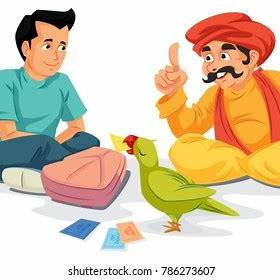
The phrase “astrologers are frogs inside a well” draws from the ancient fable of the frog in a well, which describes someone with an extremely limited worldview—ignorant of the vast ocean beyond their tiny, enclosed environment.
Applied to astrologers, it suggests they operate within a narrow, self-contained bubble of ancient superstitions, mystical interpretations, and unverified claims, oblivious or resistant to the broader realities of science, evidence-based reasoning,
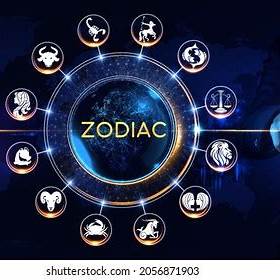
modern educated youth ,built on logic, data, and science.Still the frog in well is flourising in metro cities with modern gadgets and corporate like offices
and the complexities of the modern world. They might confidently predict futures based on star alignments or planetary positions, but this “well” keeps them from acknowledging that astrology has been repeatedly debunked as pseudoscience, with no empirical evidence supporting its predictive power beyond placebo effects or vague generalizations that could apply to anyone (the Barnum effect).
Regarding the “mushrooming fast” part—yes, the astrology industry in India is indeed proliferating at an explosive rate, driven by a mix of cultural traditions, digital innovation, economic uncertainty, and savvy marketing.
While exact numbers on individual astrologers are hard to pin down (as many operate informally or as freelancers), the overall market tells the story: India’s total astrology sector is estimated at over $7 billion, with the digital segment (apps, online consultations, etc.) poised for massive growth.
For instance, the astrology app market alone was valued at around $163 million in 2024 and is projected to skyrocket to nearly $1.8 billion by 2030, boasting a compound annual growth rate (CAGR) of about 49%
This boom isn’t just apps; it includes TV shows, websites, social media influencers, and even venture capital pouring in, treating astrology like a tech startup.
A 2024 study highlighted that 51% of young Indians consult astrological insights daily, and 88% check horoscopes at least weekly, fueling this rapid expansion.
Factors like urbanization, job market stress, and the pandemic’s uncertainties have accelerated it, turning what was once a niche village practice into a mainstream, monetized industry.
It’s “mushrooming” because technology makes it accessible—anyone with a smartphone can now get a personalized reading for a few rupees, leading to more self-proclaimed experts entering the field.
As for honest opinions:
modern educated youth ,built on logic, data, and science.
so I view astrology as entertaining folklore at best and potentially harmful pseudoscience at worst.
It preys on people’s vulnerabilities during tough times, offering false certainty in an unpredictable world, which can lead to poor decisions—like delaying medical treatment for “auspicious timings” or basing life choices on planetary “dasha” phases.
That said, I get why it’s huge in India: It’s deeply woven into culture, festivals, marriages, and even politics (remember how elections sometimes align with muhurats?).
For many, it provides psychological comfort, community, or a sense of control, much like religion or therapy. If it helps someone feel better without causing harm, fine—but relying on it over evidence-based approaches is like betting your life savings on a coin flip.
The “frog in a well”
metaphor fits perfectly because astrologers often dismiss scientific scrutiny as “Western bias” while ignoring that their own predictions fail rigorous testing.
In a country advancing in space tech and AI, it’s ironic how this ancient system thrives unchecked. Ultimately, I’d encourage curiosity about the stars through astronomy instead—it’s real, verifiable, and way more awe-inspiring.