.
Blood, Energy, Aging, DNA, and Destiny: A Scientific and Philosophical View
Category: Human Biology | Life Science | Integrated Science
Tags: Blood composition, ATP energy, oxygen and cells, aging process, DNA programming, destiny and science, mitochondria, heart muscle, epigenetics
Blood, Energy, Aging, Read more internal link
Introduction
The human body is a wonderful living system where blood, cells, genes, and energy work together in perfect coordination. As students learn biology, many questions arise: What is blood made of? How do cells get energy? Why do we become weak with age even if we eat well? Are our lives already decided by DNA or destiny?
This article explains these questions using modern science, while also briefly touching upon philosophical ideas for broader understanding.
Blood, Energy, Aging, DNA, and Destiny: A Scientific and Philosophical View Read more internal link
What Is Blood?
Blood is a liquid connective tissue that circulates throughout the body. It connects all organs and cells and is essential for life. Without blood circulation, cells would die within minutes.
Functions of Blood
- Carries oxygen from lungs to body cells
- Transports nutrients from food to tissues
- Removes carbon dioxide and waste products
- Protects the body through immunity
- Maintains body temperature, pH, and water balance
Composition of Blood
Blood consists of two main components:
1. Plasma (About 55%)
Plasma is the liquid part of blood.
Plasma contains:
- Water: 90–92%
- Proteins: Albumin, globulin, fibrinogen
- Minerals and salts (electrolytes)
- Hormones
- Nutrients (glucose, amino acids, fats)
- Waste products
Major Minerals and Salts in Blood
- Sodium (Na⁺): Controls fluid balance and nerves
- Potassium (K⁺): Muscle and heart function
- Calcium (Ca²⁺): Blood clotting and muscle contraction
- Magnesium (Mg²⁺): Enzyme activity
- Chloride (Cl⁻): Acid-base balance
- Bicarbonate (HCO₃⁻): Maintains blood pH
- Phosphate: Energy metabolism
2. Formed Elements (About 45%)
Red Blood Cells (RBCs)
- Contain hemoglobin
- Transport oxygen
- Lifespan: ~120 days
- No nucleus, more space for oxygen carrying
White Blood Cells (WBCs)
- Fight infections
- Protect the body from disease
Platelets
- Help in blood clotting
- Prevent excessive bleeding
Water Percentage in Blood
- Whole blood: About 78–80% water
- Plasma alone: About 90–92% water
This is why drinking enough water is essential for proper circulation and heart health.
How Do Cells Make Energy (ATP)?
Cells require energy to function, grow, and repair. This energy is stored in a molecule called ATP (Adenosine Triphosphate).
Gas Required for ATP Production
- Oxygen (O₂) is the most important gas
- Cells use oxygen during cellular respiration
Process (Simplified)
- Glucose enters the cell
- Mitochondria break down glucose
- Oxygen helps release energy
- ATP is produced
- Waste gas carbon dioxide (CO₂) is released
Does the Heart Receive ATP or Make Its Own
This is a key biological fact:
➡️ No cell receives ATP from blood.
➡️ Every cell makes its own ATP.
Heart Muscle Cells
- Contain a very high number of mitochondria
- Use fatty acids, glucose, and lactate as fuel
- Require constant oxygen supply
- Work continuously throughout life
Blood supplies oxygen and nutrients, but ATP is made inside heart cells themselves.
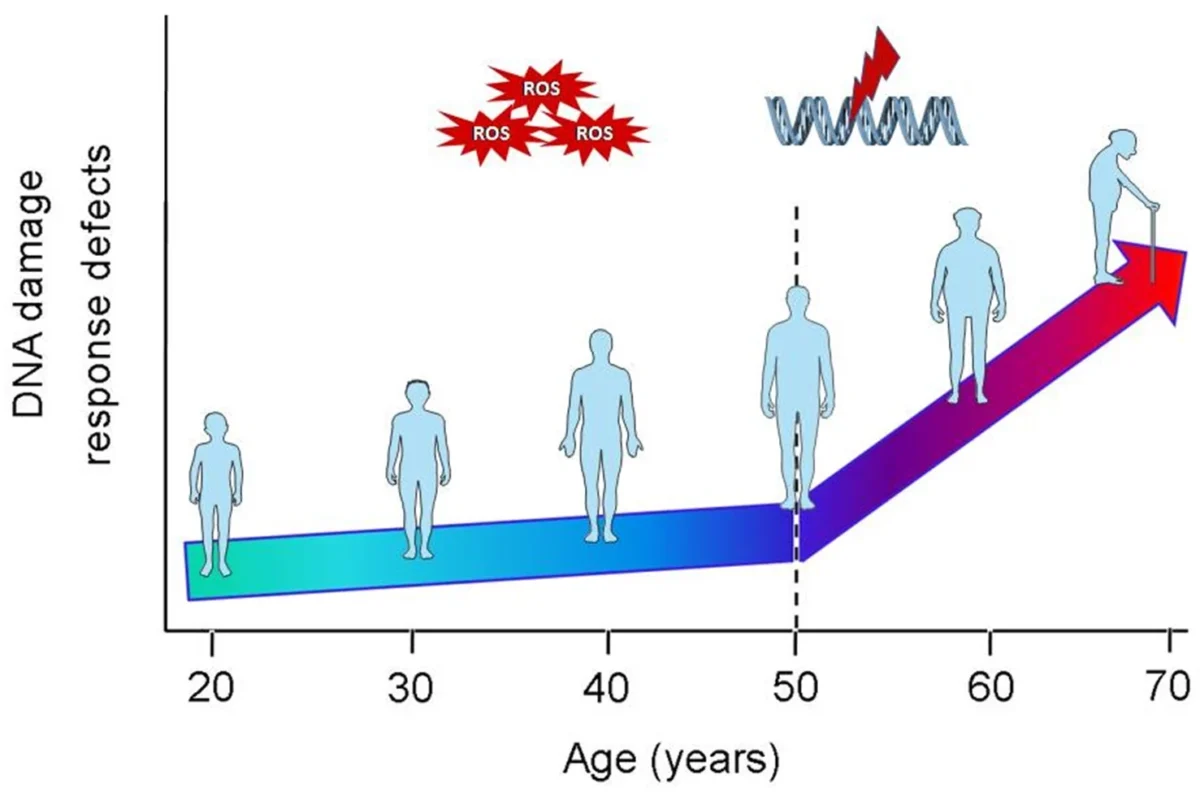
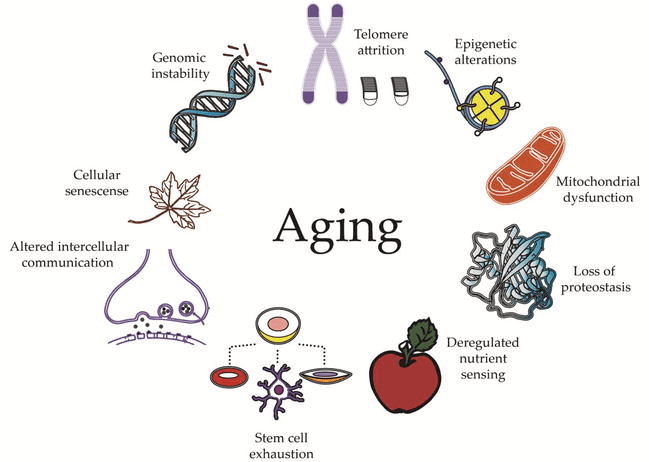
Why Do We Become Weak as We Grow Old?
Even with a good diet, aging causes weakness due to internal biological changes.
Main Reasons
- Reduced ATP production
- Mitochondria become less efficient
- Loss of muscle mass (Sarcopenia)
- Muscle fibers shrink and reduce
- Hormonal decline
- Growth hormone, sex hormones decrease
- Reduced cell repair
- DNA repair slows down
- Stem cell exhaustion
- Tissues regenerate slowly
- Accumulated damage
- Free radicals harm cells over time
Thus, aging is not only about food, but about cellular efficiency and repair ability.
Are Cells Pre-Designed or Pre-Trained?
Cells are pre-designed, not trained.
Role of DNA
DNA contains instructions for:
- Body structure
- Organ formation
- Cell lifespan
- Repair mechanisms
However, DNA does not decide everything.
Epigenetics
Modern science shows that:
- Environment
- Diet
- Stress
- Lifestyle
can switch genes ON or OFF.
So genes provide potential, not a fixed fate.
Science and the Limits of Knowledge
Modern research reveals that:
- Only a small part of cellular behavior is fully understood
- Brain, consciousness, aging, and origin of life still hold mysteries
The more science discovers, the more new questions arise. This shows that science is a continuous journey, not a final answer.
What Is Destiny?
Scientific View
Science does not support the idea of a fixed destiny. Instead, it supports:
- Genetic probability
- Environmental influence
- Personal choices
Philosophical (Vedic) View
Ancient texts speak of:
- Inborn tendencies
- Past impressions
- Life patterns
From a modern angle:
- DNA may carry biological tendencies
- Epigenetics resembles how experiences shape outcomes
Science neither proves nor disproves destiny—it simply studies cause and effect.
Conclusion
- Blood sustains life by transporting oxygen and nutrients
- Cells generate their own energy using oxygen
- Aging is a programmed but adjustable process
- DNA guides life but does not imprison it
- Knowledge expands, yet mysteries remain
- Destiny, if it exists, is shaped by biology, environment, and conscious action
We are not controlled entirely by genes or fate—
we actively participate in shaping our own health and life.