

alt text cumin seed (seed) in ready to eat form
Cumin Seeds: Origin, Healing Powers, Uses & Complete Health Benefits
Meta Description:
Learn about cumin seeds (jeera) — their origin, distribution, nutritional composition, healing power, digestive benefits, uses in piles, insomnia, renal colic, common cold, breast milk secretion, amnesia, boils, scorpion sting, and more. A complete 1000-word guide with simple explanations.
Keywords: Cumin seeds benefits, jeera health uses, cumin for digestion, cumin for insomnia, cumin for piles, cumin medicinal properties, cumin nutrition, cumin home remedies, jeera water, natural healing herbs.
Introduction
Cumin seeds, commonly known in India as jeera, are among the oldest spices used for food, medicine, and home remedies. From ancient Ayurveda to modern scientific research, cumin has been valued for its strong aroma, digestive power, and healing properties. This article explains its origin, distribution, composition, and therapeutic uses in simple language
1. Origin and Distribution of Cumin Seeds
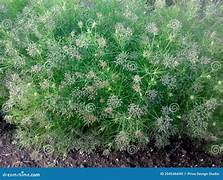
alt text cumin plantation
Cumin (Cuminum cyminum) belongs to the Apiaceae family.
Its origin can be traced back more than 5,000 years to the regions of:
- Eastern Mediterranean
- Egypt
- Turkey
- Iran and Syria
- Indian subcontinent
Global Distribution
Today, cumin is cultivated widely in:
- India (Rajasthan, Gujarat, Uttar Pradesh)
- Middle East
- North Africa
- Southern Europe
- China
India is the largest producer and consumer, contributing over 70% of the world’s supply.
2. Composition of Cumin Seeds
Cumin seeds are small but packed with powerful nutrients.
Major Components
- Essential oils (cuminaldehyde is the main compound)
- Proteins
- Dietary fiber
- Minerals: iron, calcium, potassium, magnesium, manganese
- Vitamins: B-complex vitamins
- Antioxidants: flavonoids, carotenoids
Medicinal Compounds
- Cuminaldehyde – digestive stimulant
- Thymol – antimicrobial action
- Terpenes – anti-inflammatory effect
- Flavonoids – antioxidant protection
Because of its rich phytochemical profile, cumin is widely used in Ayurvedic, Unani, Siddha, and even modern medicine for many health conditions.
3. Healing Power and Curative Properties icmr guidelines on consumption
Cumin seeds provide several healing actions:
✔ Digestive stimulant
Increases digestive juices, reduces gas, bloating, indigestion.
✔ Carminative
Expels gas from the intestines.
✔ Antimicrobial
Stops harmful bacteria and fungi.
✔ Anti-inflammatory & antioxidant
Reduces swelling and protects tissues from damage.
✔ Lactation promoter (galactagogue)
Improves breast milk production.
✔ Mild sedative
Helps calm the mind and improve sleep.
✔ Pain reliever
Reduces abdominal pain, colic, and cramps.
✔ Memory & brain booster
Improves concentration and reduces fatigue.
4. Cumin for Digestive Disorders
Cumin is one of the best natural remedies for:
- Indigestion
- Gas and bloating
- Acidity
- Poor appetite
- IBS-type symptoms
Home Remedy
Jeera water
Boil 1 teaspoon cumin seeds in 1 glass water. Drink warm after meals.
✔ Improves digestion
✔ Prevents gas
✔ Reduces stomach heaviness
Scientific support: Studies show cumin increases pancreatic enzymes and gastric secretions, improving digestion.
5. Cumin for Piles (Hemorrhoids)
Cumin works by:
- Reducing constipation
- Preventing gas and pressure
- Reducing inflammation around anal veins
Remedy
Mix roasted cumin powder with warm water and drink twice daily.
Ayurveda also recommends a paste of cumin and ghee for external piles irritation.
6. Cumin for Insomnia
Cumin contains mild sedative and calming compounds that help relax the nerves.
Bedtime Remedy
Take ½ teaspoon cumin powder with:
- Warm water, or
- A mashed banana (traditional remedy)
This helps induce natural sleep without side effects.
7. Cumin for Renal Colic (Kidney Pain)
Cumin acts as:
- Pain reliever
- Anti-inflammatory
- Gas reducer (often kidney colic pain worsens with abdominal distension)
Remedy
Boil cumin seeds with coriander seeds and drink the decoction.
This soothes abdominal cramps and urinary irritation.
Note: It is not a cure for stones but helps reduce discomfort temporarily.
8. Cumin for Common Cold & Respiratory Issues
Cumin helps by:
- Clearing mucus
- Fighting microbes
- Improving immunity
Home Remedy
Boil cumin with ginger and tulsi to make a herbal tea.
Drink twice daily to relieve:
- Sore throat
- Runny nose
- Cough
- Congestion
9. Cumin for Breast Milk Secretion
Cumin is a well-known galactagogue in Ayurveda.
It improves milk flow because:
- It relaxes the body
- Improves digestion in nursing mothers
- Contains iron and calcium, important for lactation
Remedy
Mix cumin seeds with:
- Warm milk
- Or jaggery
Take daily after delivery (consult doctor during pregnancy).
10. Cumin for Amnesia and Brain Support
Cumin boosts memory due to:
- Iron (improves oxygen supply to brain)
- Antioxidants
- Nervine-strengthening compounds
Ayurvedic Remedy
Cumin + Honey
Taking ½ teaspoon cumin powder with honey strengthens concentration and memory.
11. Cumin for Boils
Cumin is antimicrobial and anti-inflammatory.
External Paste
Grind cumin seeds with water and apply on the boil.
Helps by:
- Reducing redness
- Controlling infection
- Speeding healing
12. Cumin for Scorpion Sting (Traditional Use)
Ancient texts mention cumin as a detoxifying herb.
Traditional Remedy
Cumin seed paste applied on the sting area was believed to reduce pain and swelling.
Important:
This is traditional knowledge only.
A scorpion sting requires immediate medical care.
13. Other Uses of Cumin Seeds
✔ Weight Management
Jeera water boosts metabolism and reduces water retention.
✔ Improves Skin Health
Antioxidants help prevent acne and dullness.
✔ Boosts Immunity
Regular consumption strengthens natural resistance.
✔ Controls Blood Sugar
Some studies show cumin helps maintain normal glucose levels.
✔ Relieves Menstrual Pain
Cumin tea reduces cramps and abdominal discomfort.
Scientific and Classical References (General Citations)
- Ayurvedic Pharmacopoeia of India, Ministry of AYUSH
- “Composition of Cuminum cyminum” – Journal of Food Science and Technology
- “Antioxidant and antimicrobial properties of cumin” – Phytotherapy Research
- Charaka Samhita – Digestive and carminative herb
- Sushruta Samhita – Traditional uses of spices
- “Cumin and digestion improvement” – Journal of Ethnopharmacology
Disclaimer
This article is for educational purposes only.
Home remedies using cumin may support general wellness but do not replace medical diagnosis or treatment.
For chronic illness, pregnancy, breastfeeding, or severe symptoms, consult a qualified doctor.