
In an era where we are more “connected” than ever, a strange paradox has emerged: we are losing the ability to actually talk to one another. If you find your heart racing when a teacher calls your name, or if you’d rather text for ten hours than have a two-minute phone call, you aren’t alone.
The Art of Being Heard: Reclaiming Your Voice in a Digital World Read more internal link
The younger generation is currently facing a “communication crisis.” But communication isn’t a gift you’re born with; it’s a muscle. If you don’t use it, it weakens. Let’s break down why this is happening and how you can rebuild your skills, step by step.
The “Silent” Barriers: What’s Holding You Back?
Before we fix the problem, we have to understand the “deterrents.” Today’s world has created a perfect storm that makes speaking up feel terrifying.
“Silent” Barriers: What’s Holding You Back?illustration
1. The Digital Crutch (Mobile & Emojis)
We’ve become a “copy-paste” and “emoji” generation. Why find the right words to express sadness when a 😢 will do? While efficient, this lazy communication stops us from developing a rich vocabulary. We are becoming “prompt-by-mouth”—we can react, but we struggle to create original thought.
2. The Fear of the “Permanent Record”
In the past, if you said something silly in public, people forgot. Today, social media makes every mistake feel permanent. This creates a deep inferiority complex and shyness. We compare our “behind-the-scenes” lives to everyone else’s “highlight reels,” leading to a fear of being judged or “canceled.”
3. Isolation and Social Withdrawal
Excessive screen time leads to physical “cutoff” from the public. When you spend 8 hours a day looking at a screen, the physical world feels loud, chaotic, and unpredictable. You lose the ability to read body language and tone, making real-life interactions feel like a foreign language.
Step-by-Step: How to Develop Your Communication Skills
You don’t have to become a TED Talk speaker overnight. It’s about small, consistent wins.
Step 1: Input Determines Output (Read More)
If you want to speak better, you must read better. Watching videos and hearing audio is passive. Reading requires your brain to process structure and grammar.
* Action: Try reading 5 pages of a physical book or a long-form article daily. It builds the “database” of words your brain can pull from when you speak.
Step 2: The “Low-Stakes” Practice
Don’t wait for a school presentation to practice. Start with low-stakes environments.
* Action: Order your food in person instead of using an app. Ask a shopkeeper where an item is located. Make eye contact and say “Good morning” to a neighbor.
Step 3: Mirror Work and Recording
A lot of fear comes from not knowing how we look or sound.
* Action: Record yourself talking about your favorite hobby for two minutes on your phone. Watch it back. You’ll realize you don’t look nearly as nervous as you feel.
Step 4: Master the “Pause”
Anxious speakers tend to rush or use filler words like “um” and “like.”
* Action: When asked a question, count to two in your head before answering. A pause makes you look thoughtful and gives your brain time to catch up.
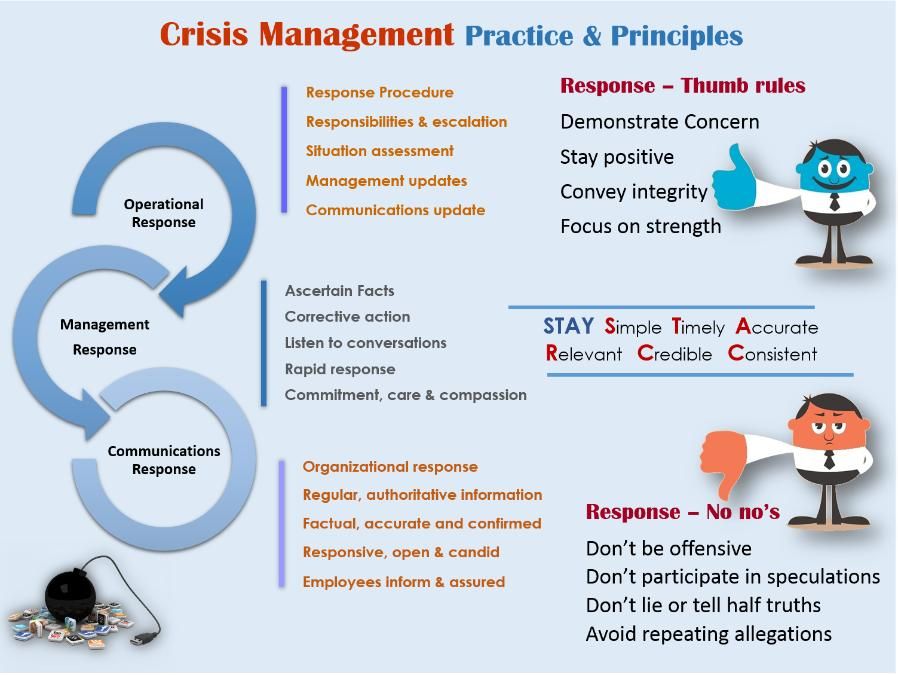
the younger generation and communication crises?
Breaking the Cycle: Awareness for the Youth
How do we turn the tide? It starts with changing our daily habits and mindset.
* Audit Your Screen Time: Notice how often you use emojis instead of words. Challenge yourself to write full sentences in your captions and texts.
* Join “Human” Hubs: Join a club—whether it’s sports, drama, or a book club. These force you into “unscripted” social interactions that a screen cannot replicate.
* Embrace Discomfort: Realize that feeling “cringe” or nervous is just growth in disguise. Everyone who is a great speaker today was an awkward speaker yesterday.
* Value-Based Communication: Move beyond just “sharing” or “liking.” Try to explain why you like something. Giving reasons builds logical thinking, which is the backbone of presentation skills.
Summary Table: Old Habits vs. New Skills
| The Deterrent | The New Habit | The Result |
| Emoji Overuse | Use descriptive adjectives | Better vocabulary |
| Public Shyness | Small daily “hellos” | Increased confidence |
| Information Scrolling | Active reading/writing | Stronger critical thinking |
| Social Withdrawal | Joining physical groups | Better body language |
> A Final Thought: > Your ideas are valuable, but they are invisible if you cannot express them. Don’t let a glass screen be the boundary of your world. Put the phone down, pick a book up, and start speaking—one word at a time.
Category: Self-Development / Education
Tags: CommunicationSkills ,YouthEmpowerment ,SocialAnxiety ,DigitalWellbeing ,PublicSpeaking ,PersonalGrowth
Would you like me to create a 30-day “Communication Challenge” checklist based on these steps to help you get started?