The Miracle Tree: Unveiling the Secrets of Drumsticks (Moringa) from Ancient Roots to Modern Plates
Meta Description: Discover the incredible journey of the drumstick tree (Moringa oleifera). Explore its origins, powerhouse nutrients, and how ancient Ayurveda and Traditional Chinese Medicine harness its curative properties for healing.
Focus Keyphrase: drumsticks moringa benefits
Categories: Natural Health, Herbal Remedies, Nutrition, Ayurveda, Traditional Chinese Medicine
Tags: Moringa Oleifera, Drumstick Benefits, Ayurvedic Medicine, TCM, Superfood, Herbal Healing, Plant-Based Nutrition, Ancient Remedies, Curative Plants, Immune Booster
he Miracle Tree: Unveiling the Secrets of Drumsticks (Moringa) from Ancient Roots to Modern Plates
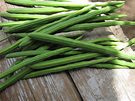
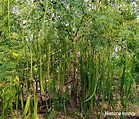
Beneath the unassuming appearance of the humble drumstick tree, Moringa oleifera, lies a legacy of healing so profound that it has been revered across civilizations and millennia. Often seen in South Asian courtyards with its delicate leaves and long, pendulous pods (the namesake “drumsticks”), this “Miracle Tree” is a treasure trove of nutrition and curative power. From the ancient texts of Ayurveda to the pharmacopeia of Traditional Chinese Medicine, the drumstick’s journey is a testament to nature’s enduring pharmacy.
Origins: The Tree of Life Takes Root
Native to the foothills of the Himalayas in northwestern India, Moringa oleifera has been cultivated and cherished for over 4,000 years. Its resilience is legendary—thriving in arid, nutrient-poor soils where little else grows, symbolizing life and vitality. Rapidly, its reputation spread along ancient trade routes. It found a home in Egypt, where it was prized for its skin-enhancing oil, and across Southeast Asia and Africa, where it became a dietary staple and a cornerstone of local herbal medicine. Every part of this arboreal gift—the roots, bark, leaves, flowers, seeds, and pods—was discovered to have a purpose.
A Modern Nutritional Powerhouse, Known to Ancients
Today’s superfood lists hail moringa powder, but ancient healers intuitively understood its density of life-giving nutrients.
· The Leaves: Often called the most nutrient-rich part, the leaves are packed with protein (containing all nine essential amino acids), vitamins A, C, and E, and minerals like calcium, potassium, and iron. Gram for gram, they contain more vitamin C than oranges and more calcium than milk. In ancient and modern practice, the leaves are dried and powdered or cooked as a green vegetable to combat malnutrition and boost vitality.
· The Juice: Fresh leaf juice was traditionally extracted and used as a potent energizing tonic, often mixed with other herbs. It was administered for its cooling, anti-inflammatory properties and as a digestive aid.
· The Fruits (Pods/Drumsticks): The young, green pods are a culinary delight, commonly found in sambars and curries. They are an excellent source of fiber, vitamin C, and magnesium, supporting digestion and bone health.
The Ayurvedic Acharya’s Healing Tool
In Ayurveda, the 5,000-year-old “science of life,” Moringa is known as Shigru or Shobhanjana. The great acharyas (teachers) like Charaka and Sushruta classified it for its tikta (bitter) and katu (pungent) taste, and its ushna (heating) potency. They prescribed it meticulously for its kapha and vata-pacifying properties.
· Digestive Fire (Agni): Its pungency was used to kindle digestive fire, combating bloating and sluggish digestion.
· Inflammation & Pain: Ground into a paste with other herbs, it was applied to wounds, swollen joints, and inflammatory conditions for its anti-inflammatory (shothahara) and analgesic effects.
· Detoxification: It was considered a blood purifier (raktashodhak) and used to support liver and kidney function.
· Metabolic Health: Ancient texts note its use in managing conditions akin to modern diabetes (prameha) by helping regulate blood sugar levels.
· Strength & Vitality: As a balya (strengthening) herb, it was given to nursing mothers, the elderly, and those recovering from illness to rebuild strength and immunity.
The TCM Perspective: A Herbal Ally for Balance
While not native to China, Moringa has been integrated into the fabric of Traditional Chinese Medicine (TCM), which values it for its ability to support the body’s foundational energies. In TCM philosophy, it often aligns with supporting the Spleen and Kidney systems.
· Tonifying Qi and Yin: Its rich nutrient profile is seen as an excellent tonic for Qi (vital energy) and Yin (nourishing, cooling essence), helping combat fatigue and weakness.
· Dampness Clearing: TCM associates many chronic issues with “dampness.” Moringa’s diuretic properties are utilized to clear damp-heat from the body, supporting urinary tract health and reducing edema.
· Supporting Jing (Essence): As a nourisher of the Kidney system, which stores Jing (our innate vitality), it is used to support healthy aging, libido, and bone strength.
· Topical Healing: Like in Ayurveda, its anti-inflammatory properties are harnessed in poultices for skin irritations and minor wounds.
Bringing the Miracle Home
The wisdom of the ancients is now validated by modern science, which confirms Moringa’s antioxidant, anti-inflammatory, and antimicrobial properties. You can invite this legacy into your kitchen:
· Add drumstick pods to lentil soups and stews.
· Blend fresh leaves into smoothies or sauté them like spinach.
· Stir a teaspoon of organic moringa leaf powder into water, juice, or yogurt.
The drumstick tree stands as a powerful bridge between ancient wisdom and contemporary wellness—a humble, resilient plant offering a forest of healing in its branches. It reminds us that sometimes, the most profound medicines don’t come from a lab, but have been growing in our backyards, trusted by healers for thousands of years.