
Family Planning and Contraception: A Complete Guide in Simple Words
Meta Description
Discover everything about family planning and contraception in simple terms. Learn definitions, classifications, natural methods, barrier methods, pills, vasectomy, surgical options, and more. A clear guide for men and women to make informed choices.
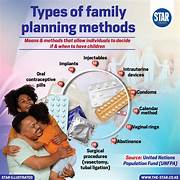
Alt text blog explains various types family planning methods
Keywords
Family planning, contraception methods, birth control, vasectomy, oral contraceptive pill, barrier methods, abstinence, withdrawal, tubal ligation, condoms, IUD, hormonal contraception, surgical contraception, reproductive health.
What is Family Planning? WHO guidelines on family planning and contaception management
Family planning means deciding freely and responsibly the number and spacing of children. It gives couples control over when to have children, how many to have, or whether to have children at all. Contraception is the set of methods used to prevent pregnancy. It is not only about avoiding unwanted pregnancies but also about protecting health, reducing maternal risks, and supporting economic and social well‑being.
Classification of Contraceptive Methods
Contraceptive methods can be broadly classified:
1. Physiological/Natural Methods
– Total abstinence
– Abstinence during fertile period (rhythm method)
– Withdrawal (coitus interruptus)
2. Mechanical/Barrier Methods
– Male condom
– Female condom
– Diaphragm, cervical cap
3. Chemical and Mechanical Methods
– Spermicides (foams, gels, creams) often used with barrier devices
4. Pharmaceutical/Hormonal Methods
– Oral contraceptive pills
– Injectable hormones
– Implants
– Emergency contraception
5. Surgical/Terminal Methods
– Vasectomy (male sterilization)
– Tubal ligation (female sterilization)
6. Miscellaneous Methods
– Intrauterine devices (IUDs)
– Lactational amenorrhea method (breastfeeding as temporary contraception)
– Modern innovations like contraceptive patches or vaginal rings
Physiological (Natural) Methods
– Total Abstinence: Complete avoidance of sexual intercourse. 100% effective but not practical for most couples.
– Abstinence During Fertile Period (Rhythm Method): Avoiding sex during ovulation days. Requires tracking menstrual cycles. Less reliable due to cycle variations.
– Withdrawal (Coitus Interruptus): Man withdraws before ejaculation. Very common but has a high failure rate because sperm can be released before full ejaculation.
Mechanical or Barrier Methods ICMR guidelines on family olanning and contraception
Barrier methods physically prevent sperm from reaching the egg.
– Male Condom: Widely available, protects against pregnancy and sexually transmitted infections (STIs).
– Female Condom: Worn inside the vagina, also protects against STIs.
– Diaphragm/Cervical Cap: Dome‑shaped devices placed over the cervix before intercourse. Often used with spermicides.
Chemical and Mechanical Methods
– Spermicides: Chemicals that kill sperm, available as gels, foams, or suppositories. Often combined with barrier devices for better protection.
– Effectiveness: Alone, spermicides are less reliable, but combined with condoms or diaphragms, they improve success rates.
Pharmaceutical/Hormonal Methods
Hormonal methods regulate ovulation and prevent pregnancy.
– Oral Contraceptive Pills (OCPs): Taken daily by women. They contain estrogen and/or progesterone. Highly effective when used correctly.
– Injectables: Hormone injections every 1–3 months.
– Implants: Small rods placed under the skin that release hormones for years.
– Emergency Contraception: Pills taken after unprotected sex to prevent pregnancy.
– Vaginal Rings/Patches: Modern options that release hormones steadily.
Surgical/Terminal Methods
Permanent solutions for couples who do not want more children.
– Vasectomy (Male): A minor surgery where the vas deferens (sperm ducts) are cut or sealed. Simple, safe, and effective.
– Tubal Ligation (Female): Fallopian tubes are tied or cut to block eggs from reaching the uterus. More invasive than vasectomy but equally effective.
Miscellaneous Methods
– Intrauterine Devices (IUDs): Small devices placed inside the uterus. They can be copper‑based (non‑hormonal) or hormone‑releasing. Effective for 5–10 years.
– Lactational Amenorrhea Method (LAM): Exclusive breastfeeding delays ovulation for up to 6 months postpartum.
– New Innovations: Contraceptive patches, vaginal rings, and apps that track fertility.
Methods Used by Men and Women
– For Men:
– Condoms
– Withdrawal
– Vasectomy
– For Women:
– Oral contraceptive pills
– IUDs
– Implants, injectables
– Tubal ligation
– Barrier devices like diaphragms
Brief Descriptions of Popular Methods
– Condoms: Affordable, easy to use, protect against STIs.
– Oral Contraceptive Pills: Reliable, but require daily discipline. May have side effects like nausea or weight changes.
– Vasectomy: Quick outpatient procedure, permanent, does not affect sexual performance.
– Tubal Ligation: Permanent, requires hospital setting.
– IUDs: Long‑term, reversible, but may cause cramps initially.
– Withdrawal: Free, but risky due to pre‑ejaculate sperm.
– Natural Rhythm Method: Safe but less reliable due to irregular cycles.
Importance of Family Planning
– Health Benefits: Prevents unintended pregnancies, reduces maternal and infant mortality.
– Economic Benefits: Helps families plan resources better.
– Social Benefits: Empowers women, supports education, and strengthens communities.
– Global Impact: WHO emphasizes family planning as a human right.
Disclaimer
This blog is for educational purposes only. It explains contraception in simple language for general awareness. It is not a substitute for medical advice. For personal guidance, consult a qualified healthcare professional.
References
– World Health Organization – Family planning/contraception methods
– inviTRA – Classification of contraceptive methods
– SlideShare – Family planning method presentation
Internal link resd more similar blogs in https://dailydrdose.com