
High Self-Esteem vs Low Self-Esteem
Understanding the Inner Mirror of Human Personality
Category: Psychology | Personal Development | Human Behaviour
Tags: Self-esteem, Confidence, Mental Health, Personality Development, Emotional Intelligence, Youth Psychology, Self-growth, Counseling
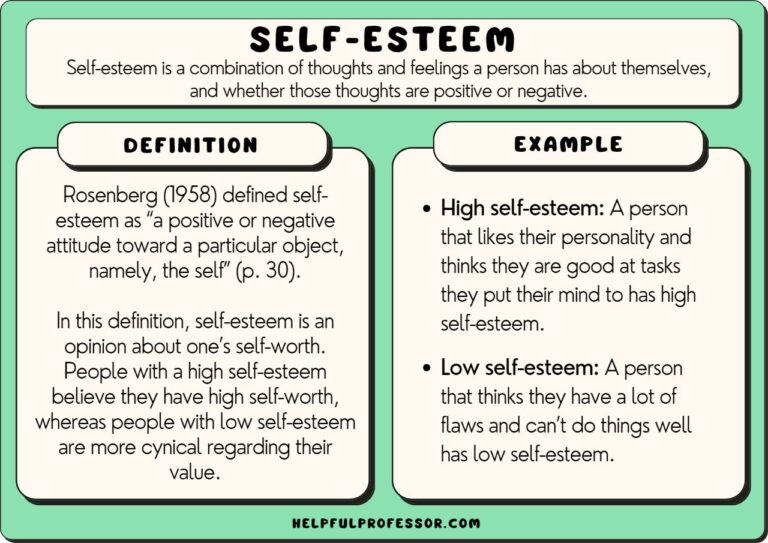
Self-esteem is the way a person sees and values himself or herself. It is like an inner mirror. When we look into this mirror, we see either strength and capability or weakness and doubt. Self-esteem does not mean arrogance. It means healthy respect for oneself. In modern times, especially among youth, understanding self-esteem has become very important because it directly affects academic performance, career growth, relationships, and mental health.
Let us explore the characteristics of people with high self-esteem and low self-esteem in a simple and clear way.
keep learning more similar articles
What is High Self-Esteem?
High self-esteem means a person accepts himself with strengths and weaknesses. Such individuals do not think they are perfect, but they believe they are worthy and capable.
Characteristics of People with High Self-Esteem
1. Self-Confidence with Balance
High esteem and low esteem deatail analysis
They believe in their abilities but do not feel superior to others. They can say, “I can try,” instead of “I cannot do this.”
2. Acceptance of Mistakes
They understand that mistakes are part of learning. Instead of feeling ashamed, they learn from errors and move forward.
3. Positive Self-Talk
Their inner dialogue is supportive. They encourage themselves during difficult times instead of blaming themselves constantly.
4. Emotional Stability
They can manage criticism. Even if someone disagrees with them, they do not feel personally attacked.
5. Healthy Boundaries
They know how to say “No” politely. They do not allow others to misuse their time or energy.
6. Responsibility for Actions
They accept responsibility when they are wrong. They do not blame others for every failure.
7. Growth Mindset
They believe skills can improve through effort. They focus on improvement rather than comparison.
8. Comfort in Social Situations
They can speak in public or interact with new people without excessive fear of judgment.
9. Realistic Goal Setting
They set achievable goals and work step by step. They do not expect instant success.
10. Respect for Others
People with high self-esteem usually respect others because they do not feel threatened by someone else’s success.
What is Low Self-Esteem?
Low self-esteem means a person undervalues himself. He may constantly doubt his abilities and feel inferior to others. This does not mean he lacks talent; often it means he lacks belief.
Characteristics of People with Low Self-Esteem
1. Constant Self-Doubt
They frequently think, “I am not good enough.” Even small challenges appear big.
2. Fear of Failure
They avoid trying new things because they fear embarrassment or rejection.
3. Negative Self-Talk
Their inner voice is critical. They blame themselves for small mistakes.
4. Sensitivity to Criticism
Even constructive feedback feels like a personal attack.
5. Comparison with Others
They constantly compare themselves to others and feel inferior.
6. Difficulty Saying No
They try to please everyone, even at their own cost, because they fear losing approval.
7. Avoidance of Responsibility
Sometimes they blame circumstances or others because they fear accepting their own limitations.
8. Social Withdrawal
They may avoid social gatherings due to fear of judgment.
9. Overthinking
They replay past mistakes again and again in their mind.
10. Seeking Constant Validation
They need repeated reassurance from others to feel okay.
Key Differences Between High and Low Self-Esteem
| High Self-Esteem | Low Self-Esteem |
| Accepts strengths and weaknesses | Focuses only on weaknesses |
| Learns from criticism | Feels hurt by criticism |
| Takes responsibility | Blames self excessively or others |
| Sets realistic goals | Avoids goals due to fear |
| Feels worthy | Feels inferior |
How Self-Esteem Develops
Self-esteem develops from childhood experiences, parenting style, school environment, peer influence, and personal achievements. In today’s digital age, social media comparison also plays a major role. Many young people measure their worth by likes, followers, and online validation, which can damage healthy self-esteem.
Teachers, parents, and counselors must understand that self-esteem is not built by constant praise alone. It is built by balanced feedback, encouragement, and opportunities to solve problems independently.
Why High Self-Esteem Matters
Healthy self-esteem improves:
- Academic performance
- Career decision-making
- Leadership ability
- Emotional intelligence
- Mental health stability
- Relationship quality
People with healthy self-esteem are more resilient. They recover faster from setbacks. They do not collapse under temporary failure.
Dangers of Extremely High Self-Esteem
It is important to mention that extreme or unrealistic self-esteem may turn into arrogance or narcissism. Healthy self-esteem is balanced. It includes humility and willingness to learn.
Can Low Self-Esteem Be Improved?
Yes, absolutely.
Some simple steps include:
- Practicing positive self-talk
- Setting small achievable goals
- Avoiding unhealthy comparison
- Learning new skills
- Accepting imperfections
- Seeking counseling when needed
Self-esteem is not fixed. It can grow with awareness and effort.
Final Reflection
Self-esteem is not about being perfect. It is about accepting who we are while working to improve. A person with high self-esteem walks steadily in life. A person with low self-esteem walks with hesitation. But the good news is this — hesitation can be transformed into confidence.
In modern society, especially among youth who rely heavily on digital validation and quick solutions, building real inner confidence is more important than ever. True strength does not come from outside praise. It grows from inside acceptance.
When a person learns to respect himself, the world automatically begins to respect him.