
What Is a Human Cell?
Structure, Functions, and How Mitochondria Produce ATP
Introduction
human cell Structure, Functions, and How Mitochondria Produce ATP
A human cell is the smallest living unit of the human body. Every tissue, organ, and system—such as the brain, heart, skin, and blood—is made up of trillions of cells. Although cells are microscopic, they perform highly organized and intelligent functions that keep us alive. Understanding human cells helps us understand health, disease, aging, and healing.
What Is a Human Cell?
A human cell is a basic structural and functional unit of life. Humans are multicellular organisms, meaning the body contains many different types of cells. Each cell has a specific role—for example, nerve cells transmit signals, muscle cells create movement, and blood cells carry oxygen.
Despite having different functions, most human cells share a common internal structure that allows them to survive, grow, divide, and communicate.
Basic Structure of a Human Cell
A typical human cell has three main parts:
- Cell membrane
- Cytoplasm
- Nucleus
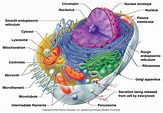
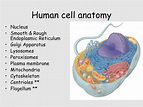
Inside the cytoplasm are several tiny structures called organelles, each with a specific function.
Cell Membrane
The cell membrane is the outer covering of the cell. It is thin, flexible, and selectively permeable. This means it allows certain substances like oxygen, glucose, and water to enter the cell, while waste materials are pushed out.
Functions of the cell membrane:
- Protects the cell
- Controls entry and exit of substances
- Helps in cell communication
Cytoplasm
The cytoplasm is a jelly-like fluid inside the cell. It holds all the organelles in place and allows chemical reactions to occur. Most metabolic activities of the cell take place here.
Nucleus
The nucleus is the control center of the cell. It contains genetic material (DNA) that determines how the cell grows, functions, and reproduces.
Functions of the nucleus:
- Stores DNA
- Controls cell division
- Regulates protein synthesis
Important Cell Organelles and Their Functions
Mitochondria – The Powerhouse of the Cell
Mitochondria are bean-shaped organelles known as the powerhouses of the cell. Their main function is to produce energy in the form of ATP (Adenosine Triphosphate).
Cells that need more energy, such as muscle and nerve cells, contain more mitochondria.
How Mitochondria Produce ATP
Mitochondria produce ATP through a process called cellular respiration, which occurs in three main stages:
- Glycolysis – Happens in the cytoplasm, where glucose is broken into smaller molecules.
- Krebs Cycle – Takes place inside mitochondria, releasing electrons.
- Electron Transport Chain – Electrons move along the inner mitochondrial membrane, creating energy used to form ATP.
ATP acts like a biological currency of energy, powering activities such as muscle contraction, nerve impulses, digestion, and cell repair.
Endoplasmic Reticulum (ER)
The endoplasmic reticulum is a network of membranes.
- Rough ER has ribosomes and helps make proteins.
- Smooth ER helps in lipid production and detoxification.
Ribosomes
Ribosomes are tiny structures that synthesize proteins. Proteins are essential for growth, repair, enzymes, and hormones.
Golgi Apparatus
The Golgi apparatus modifies, packages, and transports proteins and lipids to their destination inside or outside the cell.
Lysosomes
Lysosomes act as the cleaning system of the cell. They contain digestive enzymes that break down waste materials, damaged organelles, and invading microbes.
Centrosome
The centrosome helps in cell division by organizing spindle fibers during mitosis.
Types of Human Cells
There are more than 200 types of human cells, including:
- Nerve cells
- Muscle cells
- Blood cells
- Skin cells
- Bone cells
Each type is specially designed for its role, yet all follow the same basic cellular principles.
Importance of Human Cells
Human cells:
- Maintain body structure
- Produce energy
- Repair tissues
- Fight infections
- Enable growth and reproduction
Any damage or dysfunction at the cellular level can lead to diseases such as cancer, diabetes, and genetic disorders.
Conclusion
The human cell is a remarkable microscopic unit that performs complex and coordinated functions essential for life. From the protective cell membrane to energy-producing mitochondria, every component works in harmony. Understanding human cells helps us appreciate how life functions at its most fundamental level.
Meta Description:
Learn what a human cell is, its internal structure, major organelles, and how mitochondria produce ATP in simple, easy-to-understand language for students and health learners.
Focus Keywords:
Human cell, cell structure, mitochondria ATP production, cell organelles, basic biology, cellular respiration
Tags:
Human Biology, Cell Anatomy, Mitochondria, ATP Energy, Medical Education
Disclaimer
This article is intended for informational and educational purposes only. It does not replace professional medical advice, diagnosis, or treatment. Always consult a qualified healthcare or academic professional for clinical or scientific guidance.