Artificial Intelligence and the Changing Psychology of Modern Youth
Category: Education & Psychology
Tags: Artificial Intelligence, Youth Psychology, Digital Behavior, Counseling, Education, Parenting, Technology Impact, Mental Health
Artificial Intelligence has brought a silent yet powerful revolution in almost every field—education, healthcare, finance, communication, and even personal decision-making. However, one area where its impact is deeply visible, yet less discussed, is modern youth psychology. Observing and understanding the mindset of today’s children and young adults has become a herculean task. Traditional psychological models, once reliable, now appear insufficient in explaining the rapid behavioral shifts shaped by AI-driven interactions.
The Shift from Human Guidance to Algorithmic Advice
In earlier generations, children sought guidance from parents, teachers, elders, and counselors. Advice flowed from lived experience, cultural wisdom, and emotional bonding. Today, many young individuals prefer typing a prompt into an AI system rather than speaking to an elder. Whether it is about study schedules, fitness plans, career decisions, relationship confusion, or mental health concerns—AI becomes the first counselor.
For example, a student struggling with exam stress may not approach a teacher. Instead, they ask AI to create a personalized timetable, motivational routine, and stress management plan. While such assistance can be efficient and structured, it subtly reduces dependence on human interaction.
This shift creates a new psychological pattern: algorithmic trust over relational trust.
Keep reading more similar articles
Why Modern Youth Prefer AI
Several factors explain this change:
- Instant Gratification: AI provides immediate responses without judgment.
- Privacy and Anonymity: Young people feel safer sharing sensitive topics with a machine than with parents.
- Customization: AI gives tailored solutions, which feel more precise than general advice.
- Perceived Neutrality: AI does not criticize, scold, or impose emotional reactions.
However, psychology is not only about solutions. It is about emotional validation, empathy, tone, and shared human experience. AI may simulate empathy, but it does not experience it.
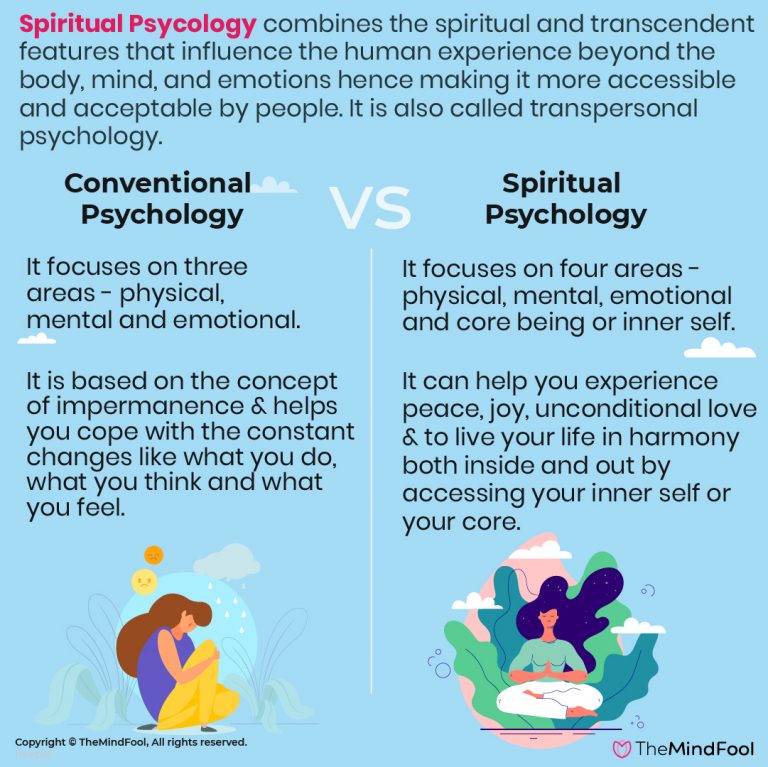
Why Modern Youth Prefer AI ? why they avoid spritiual phychology altogether? read more
Conventional Psychology Becoming Obsolete?
Traditional counseling methods rely heavily on observation—body language, tone, hesitation, family background, and social environment. Today’s youth spend more time interacting digitally than physically. Their emotional expressions are often typed, not spoken. Emojis replace facial cues. Online identities sometimes differ from real personalities.
As a result, psychologists and educators find it difficult to decode behavior patterns. A child may appear calm at home but live an entirely different digital life. Conventional observation tools struggle to capture this dual existence.
Moreover, young minds are influenced by AI-curated content feeds. Algorithms shape opinions, preferences, political views, lifestyle choices, and even self-image. Psychology now must include algorithmic influence as a core variable.
Where Are We Heading?
If this trend continues, several future outcomes may emerge:
1. Reduced Interpersonal Resilience
When children rely on AI to solve conflicts, they may struggle to handle real-life disagreements. Human relationships require patience, compromise, and emotional intelligence—skills developed through practice, not prompts.
2. Increased Cognitive Efficiency but Emotional Fragility
AI-assisted youth may become highly productive and informed. However, over-dependence could weaken independent critical thinking and emotional coping skills.
3. Personalized Learning Revolution
On a positive note, AI can enhance education by identifying weaknesses and offering customized academic paths. A child weak in mathematics can receive step-by-step guidance instantly, reducing fear and building confidence.
4. Ethical and Identity Questions
If young individuals consistently ask AI what to eat, how to study, how to exercise, and even how to think, a subtle identity shift may occur. Decision-making autonomy might decline.
A Balanced Way Forward
The solution is not to reject AI but to integrate it wisely.
Example 1: Hybrid Counseling
Schools can combine AI-based assessment tools with human counseling sessions. AI may identify stress patterns, but a trained counselor should interpret emotional depth.
Example 2: Digital Literacy Education
Children must be taught not just how to use AI, but when and why to use it. Critical thinking must remain central.
Example 3: Family AI Discussions
Instead of competing with AI, families can discuss AI-generated advice together. This restores relational trust.
Example 4: Emotional Skill Training
Curriculum should include empathy, communication, and resilience training—skills AI cannot replace.
Conclusion
Artificial Intelligence is reshaping not only industries but also the inner world of modern youth. Observing their psychology is no longer limited to family and society; it now includes machines and algorithms. Counseling has become complex because authority has shifted from elders to engines.
The future will not belong to those who reject AI nor to those who blindly depend on it. It will belong to those who balance technological intelligence with emotional intelligence.
We are not heading toward a machine-controlled humanity—but we are certainly moving toward a hybrid psychological era. The challenge before educators, parents, and policymakers is to ensure that while machines become smarter, humans do not become emotionally weaker.
The question is not whether AI will guide youth. The real question is: Who will guide them in using AI wisely?