
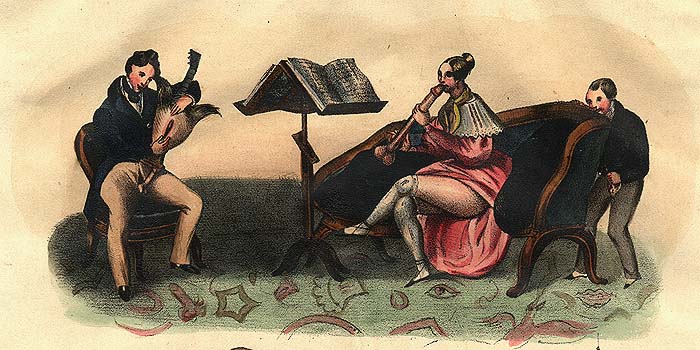
Understanding Masturbation: Facts, Myths, and Effects on Youth
Meta Description
Discover what masturbation is, why teens aged 13-20 engage in it due to hormonal changes, its neurological and metabolic effects, semen facts, and debunking myths like weakness or erectile dysfunction. Learn in simple English.
Keywords
masturbation facts, teen masturbation, why masturbate, hormonal changes in youth, masturbation effects on brain, semen volume, masturbation myths, erectile dysfunction from masturbation, cognitive effects of masturbation, fatigue from masturbating
Introduction
Masturbation is a common topic that many young people think about but don’t always talk openly. Almost every youth, at one time or another, explores it. This blog explains what masturbation is, why people, including young girls, feel tempted to do it, especially between ages 13 and 20 when hormones are changing a lot. We’ll look at how it affects the brain and body metabolism, what happens with sperm in young men, and if too much can cause problems like weak penis, erection issues, less brain power, or tiredness. We’ll use facts to clear up myths. This is written in simple English for easy understanding.
Masturbation has been around forever, and it’s normal. Studies show most teens try it as they grow up. It’s a private way to learn about your body and feel pleasure. But some worry about side effects. Let’s dive in.
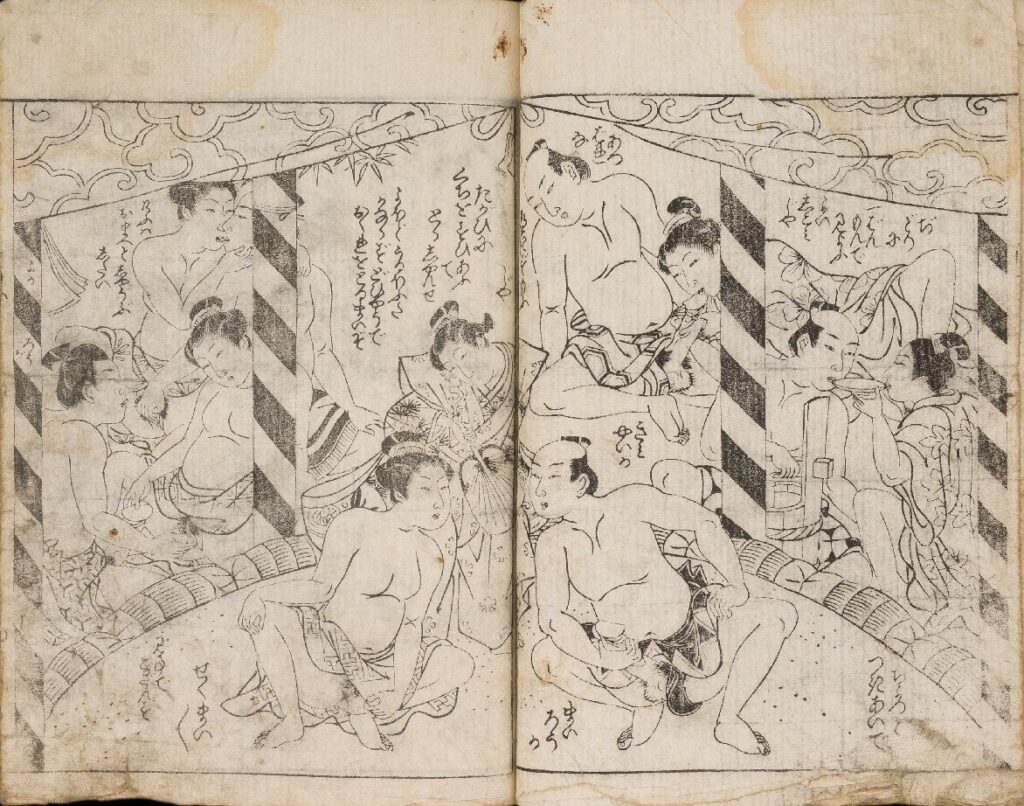
Alt text this art was paracticed even century ago
What is Masturbation? learn from the fact behind this arts
Masturbation means touching or rubbing your own private parts, like the penis for boys or clitoris and vulva for girls, to feel sexual pleasure. It often leads to orgasm, which is a strong feeling of release and happiness. You can do it with hands, fingers, or even toys. It’s a form of self-love that doesn’t involve anyone else.
Experts define it as erotic stimulation of your genitals for arousal or pleasure.
It’s safe and private. Many start noticing it during puberty when the body changes. No one teaches it; it’s natural curiosity.
People of all ages do it, but it’s very common in teens. It’s not dirty or wrong; it’s how humans explore sexuality.
Why Are People Tempted to Masturbate?
Everyone feels tempted because it feels good. The body craves pleasure, and masturbation gives that quickly. In teens, hormones like testosterone in boys and estrogen in girls surge, making sexual feelings stronger. This happens from age 13 to 20, a time of big changes: growing taller, voice changing, periods starting, and more.
These hormonal shifts cause excitement, anxiety, and imbalances. Teens might feel stressed from school, friends, or family. Masturbation helps relieve stress and relax. It releases feel-good chemicals in the brain.
Reasons include feeling horny, wanting pleasure, or just boredom. It’s a way to learn what your body likes.
Even young girls practice it. Girls might rub their clitoris or use fingers inside the vagina. It’s common because girls have sexual urges too. Surveys show many girls start around puberty, just like boys. It’s not just a boy thing; both genders do it for the same reasons: curiosity, pleasure, and hormone drives.
Society sometimes talks less about girls, but it’s normal for them.
In this age group, anxiety from changes can lead to more masturbation. It’s like a comfort activity. Excitement from seeing or thinking about sexy things tempts them. But it’s okay in moderation.
Masturbation Among Young Girls
Yes, girls masturbate too. From 13 to 20, girls go through puberty with breast growth, periods, and emotional ups and downs. Hormones make them curious about their bodies. They might touch their breasts, clitoris, or vulva to feel good. It’s private and helps them understand pleasure.
Reasons are similar: stress relief, exploration, and natural urges. Girls might use pillows, water streams, or hands. It’s safe and doesn’t harm virginity or health. Many feel guilty because of cultural taboos, but experts say it’s healthy.
It even helps later in relationships by knowing what feels good.
The Unique Experience and True Pleasure
Masturbation is unique because only you feel the full pleasure. It’s personal; no one else shares it directly. The actor – you – controls everything: speed, pressure, fantasies. This makes it intense. Orgasm releases waves of joy through the body.
Pleasure comes from building tension then release. It’s like a reward for the brain. No one else can describe it exactly; it’s your own feeling.
How Masturbation Affects Neurological and Metabolic Functions
Neurologically, masturbation is mostly positive. When you masturbate and orgasm, the brain releases hormones like dopamine (feel-good), oxytocin (bonding), and endorphins (pain relief). These boost mood, reduce stress, and help sleep.
It increases blood flow and heart rate, like light exercise
No major negative effects on the brain unless excessive, which might lead to temporary focus issues from over-stimulation.
Metabolically, it’s neutral or helpful. It burns a few calories, like walking. No big changes in body energy use. Some studies say it lowers prostate cancer risk in men by clearing fluids.
It doesn’t disrupt hormones long-term. Overall, it balances mood without harming metabolism.
Sperm Output in Young Men and Blood Waste Myth
When a young man masturbates to orgasm, he ejaculates semen. Average volume for teens and young adults is 1.5 to 5 ml, about a teaspoon.
Younger men might have less, around 1-2 ml at first, increasing with age.Semen contains sperm, fluids from prostate, and nutrients – not blood.
The myth that semen equals blood waste is false. Old tales said one drop of semen equals 40 drops of blood, but that’s nonsense. Semen is made from body fluids, not blood. No ml of blood is wasted; the body replaces semen quickly, in days. Masturbation doesn’t drain blood or weaken you.
Does Continuous Masturbation Cause Penis Weakness, Erection Dysfunction, Cognitive Decline, or Fatigue?
Many worry about too much masturbation. Let’s debunk myths.
First, it doesn’t make the penis weak or cause erection dysfunction (ED) long-term. ED is from health issues like diabetes, not masturbation.
Excessive might cause temporary soreness or less sensitivity, but it recovers. Moderate is fine; it even strengthens erections by practice.
No, it doesn’t decline cognitive power. Brain function stays the same. Myths say it causes memory loss, but no proof.
Actually, the mood boost can improve focus.
Fatigue? After orgasm, you might feel sleepy from relaxation hormones, but not ongoing tiredness.
If you do it too much and skip sleep or exercise, then yes, but that’s not direct. In life, it doesn’t cause fatigue if balanced.
Guilt from myths can cause mental stress, leading to depression in rare cases.
But facts show moderation is healthy.
Conclusion
Masturbation is normal, especially in youth with hormonal changes. It brings pleasure, relieves stress, and teaches about your body. Effects are mostly positive on brain and body. Semen is small amount, no blood loss. Myths about weakness, ED, brain decline, or fatigue are not true. Enjoy responsibly, without guilt. Talk to a doctor if worried.
Disclaimer Note
This blog is for information only, not medical advice. Consult a healthcare professional for personal concerns. Views are based on general research; individual experiences vary.
### References
1. Merriam-Webster. (2025). MASTURBATION Definition & Meaning. https://www.merriam-webster.com/dictionary/masturbation
2. Medical News Today. (2025). Masturbation: The positive and negative effects on the brain. https://www.medicalnewstoday.com/articles/masturbation-effects-on-brain
3. Quora. (2017). Why do teenagers masturbate, especially boys? https://www.quora.com/Why-do-teenagers-masturbate-especially-boys
4. AboutKidsHealth. (2023). Masturbation – Teens. https://teens.aboutkidshealth.ca/masturbation
5. The Healthy. (2023). What Masturbation Does to Your Brain. https://www.thehealthy.com/sex/masturbation-and-the-brain/
6. Vinmec. (2024). Does frequent masturbation have effects on men? https://www.vinmec.com/eng/blog/what-are-the-effects-of-masturbation-in-men-en
7. Medical News Today. (n.d.). What is the average volume and distance of male ejaculate? https://www.medicalnewstoday.com/articles/how-far-can-a-man-shoot
8. NIH. (2019). Distribution of Semen Parameters Among Adolescent Males. https://pmc.ncbi.nlm.nih.gov/articles/PMC6475495/
9. CK Birla Hospital. (2025). What are the Side Effects of Masturbation? https://www.ckbhospital.com/blogs/10-side-effects-of-masturbation
10. Verywell Health. (2025). Masturbation Doesn’t Cause Erectile Dysfunction. https://www.verywellhealth.com/does-masturbation-cause-erectile-dysfunction-8406949
11. Metro Male Clinic. (2020). Effects of masturbation on your brain. https://www.metromaleclinic.com/effects-of-masturbation-on-your-brain/
12. NIH. (2021). Masturbatory Guilt Leading to Severe Depression. https://pmc.ncbi.nlm.nih.gov/articles/PMC8011625/