
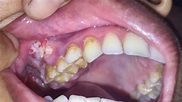
The Deadly Duo: How Spurious Drinks and Chewing Tobacco are Fueling a Health Crisis in India
Category: Health & Wellness
Primary Keyword: Mouth Cancer Prevention India
Secondary Keywords: Spurious alcohol risks, tobacco chewing effects, oral cancer statistics India 2025, government health initiatives.
In recent years, India has witnessed a silent but deadly epidemic. While global health conversations often focus on lifestyle diseases like diabetes or heart ailments, a more aggressive killer is tightening its grip on the Indian heartland.
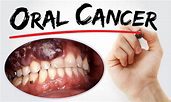
Oral cancer caused by chewing tobacco
The combined consumption of spurious (locally brewed) alcohol and chewing tobacco (tamakku) is now responsible for a staggering 62% of mouth cancer cases in the country.
With approximately 1.47 lakh new cancer patients diagnosed annually and nearly 80,000 deaths each year, the situation has reached a critical tipping point. This blog explores the gravity of the situation, the states most affected, and the urgent steps needed to curb this menace.
The Rising Tide of Oral Cancer: Startling Statistics
Recent studies, including a landmark 2025 report published in BMJ Global Health, have shed light on a terrifying reality:
even small amounts of alcohol can increase the risk of oral mucosal cancer by 50%. However, the danger multiplies fourfold when alcohol is paired with smokeless tobacco products like gutkha, khaini, or paan.
* Total Annual Cases: ~1.43 to 1.47 Lakh
* Annual Mortality: ~80,000 deaths
* Survival Rate: Less than 43% of patients survive beyond five years.
Regional Hotspots: Why Certain States are at Risk
The prevalence of these diseases is not uniform across the country. Specific states have shown a worrying 15% average increase in mouth cancer and liver-related ailments. These include:
* Central & North India: Madhya Pradesh, Delhi, and Punjab.
* Eastern Belt: Jharkhand and Chhattisgarh.
* Hilly Regions: Himachal Pradesh.
The high incidence in these regions is often linked to the easy availability of unregulated, “hard-branded” local liquors (such as Desi Daru, Mahua, or Tharra) and a deep-seated cultural habit of tobacco chewing.
Why Spurious Drinks and Tamakku are Lethal
Spurious drinks are often produced in unhygienic, unregulated environments. They may contain toxic levels of methanol or lead. When consumed, alcohol acts as a solvent, making the soft tissues of the mouth (buccal mucosa) more permeable. This allows the potent carcinogens found in tamakku to seep deeper into the cells, triggering rapid mutations and tumor growth.
Beyond the mouth, these substances wreak havoc on the liver, leading to cirrhosis and eventually liver cancer, further contributing to the high mortality rates seen in states like Madhya Pradesh and Punjab.
Precautionary Measures: Protecting Yourself and Your Family
Prevention is the only effective cure for oral cancer, especially given its low survival rate. Here are the essential steps:
* Complete Cessation of Tobacco: There is no “safe” amount of tobacco. Quitting gutkha and khaini immediately is the single most effective way to lower risk.
* Avoid Unregulated Alcohol: Steer clear of locally brewed or “spurious” drinks. If you consume alcohol, ensure it is from a regulated source and done in extreme moderation.
* Regular Self-Examination: Check your mouth for white or red patches (leukoplakia), persistent sores, or unusual lumps.
* Maintain Oral Hygiene: Brush twice daily and visit a dentist every six months. Dentists are often the first to spot early signs of cancer.
* Healthy Diet: A diet rich in fruits and vegetables contains antioxidants that help repair cellular damage.
The Role of Government: A Call for Stricter Regulation
The government plays a pivotal role in controlling this crisis. While programs like the National Tobacco Control Programme (NTCP) exist, more aggressive action is required:
* Strict Enforcement of COTPA 2003: Better regulation of tobacco advertisements and the sale of products near educational institutions.
* Cracking Down on Spurious Liquor: State governments must intensify raids on illegal breweries and ensure that “hard-branded” local drinks meet safety standards.
* Mass Awareness Campaigns: Utilizing rural health workers (ASHAs) to educate villagers about the “synergistic effect” of drinking and chewing tobacco.
* Subsidized Screening: Providing free or low-cost oral cancer screening at the district level to catch cases in Stage 1 or 2, where treatment is most successful.
Conclusion
The data is clear:
the combination of local liquor and tobacco is a death sentence for thousands of Indians every year. It is not just a personal health choice but a public health emergency that is tearing families apart in Jharkhand, Punjab, and beyond. By choosing to quit today and advocating for stricter government oversight, we can turn the tide against this preventable disease.