The Mighty Coriander: Your Kitchen’s Ancient Secret to Health and Flavor
Meta Description: Discover the rich history, powerful composition, and surprising health benefits of coriander (Coriandrum sativum). Learn how this common herb and spice, also known as cilantro, supports digestion, cholesterol, and skin health, complete with precautions and culinary uses.
Keywords: Coriander, Cilantro, Coriandrum sativum, digestive health, high cholesterol, skin disorders, medicinal herb, anti-inflammatory, essential oils, natural remedy.
A Taste of History: Origin and Global Distribution
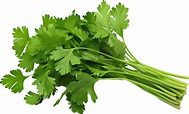
Coriander, scientifically known as Coriandrum sativum, is a feathery annual herb of the parsley family (Apiaceae). It is a plant of duality—its leaves are commonly called cilantro in the Americas, and its dried fruit (seeds) are known globally as coriander the spice. Both parts offer wildly different yet equally essential flavors and health benefits.
The Roots of Coriander
The history of coriander is as rich and ancient as civilization itself. It is considered one of the oldest spices in the world, with records of its use dating back as far as 5000 BCE [1.6]. Its native home is believed to be the Mediterranean and Middle Eastern regions [1.6, 1.8]. Evidence of its use has been found in ancient Egyptian tombs, and the Romans famously used it to flavor bread [1.6].
A Global Herb
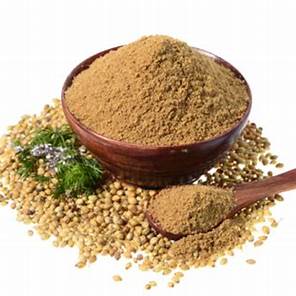
alt text coriander powder
Today, coriander is a truly cosmopolitan plant, cultivated across the globe. From the large fields of India—a major producer, particularly in states like Rajasthan and Andhra Pradesh—to Europe, China, and the Americas, it thrives in varied climates [1.2, 2.5]. This widespread distribution speaks to its enduring value, not just as a flavor enhancer but as a staple in traditional medicine systems worldwide.
What’s Inside? The Powerful Composition of Coriander
Coriander’s profound health effects stem from its complex and nutrient-dense composition, which varies slightly between the fresh leaves (cilantro) and the dried seeds.
Essential Nutrients and Bioactive Compounds
* Vitamins: The fresh leaves (cilantro) are an excellent source of Vitamin K, Vitamin A (as beta-carotene), and Vitamin C, all crucial for bone health, vision, and immunity [2.4]. The seeds also contain vitamins, though in smaller amounts.
* Minerals: Both leaves and seeds offer a good supply of essential minerals, including iron (key for fighting anemia), calcium, magnesium, and potassium [1.1, 1.3, 2.4].
* Essential Oils: The unique aroma and many of the medicinal properties come from its essential oils. The main component is linalool (also called coriandrol), found in both seeds and leaves, which contributes to its potent anti-bacterial and digestive effects [1.2, 1.6, 2.4].
* Antioxidants and Flavonoids: Coriander is rich in powerful antioxidants that combat cellular damage from free radicals. These include phenolic acids (like caffeic and chlorogenic acid) and flavonoids (like quercetin and apigenin), which are known for their anti-inflammatory, anti-cancer, and neuroprotective potential [1.2, 1.7, 2.3].
In essence, coriander is a functional food, meaning it provides health benefits far beyond its basic nutritional value [1.9].
Curative Properties: Coriander’s Healing Power
For millennia, coriander has been a trusted remedy in traditional medicine, particularly Ayurveda. Modern research continues to validate many of these uses, demonstrating its impact on a range of disorders.
Perhaps its most widely known benefit is its ability to soothe the digestive system.
* Digestive Disorders: Compounds like borneol and linalool help stimulate appetite, aid digestion, and prevent flatulence [1.3]. It is used to relieve common complaints like upset stomach, nausea, intestinal gas, and even symptoms of Irritable Bowel Syndrome (IBS) [1.4, 1.5]. Its anti-spasmodic properties can also help reduce muscle spasms in the gut, which can alleviate conditions like diarrhea [1.5].
Metabolic and Cardiovascular Benefits
Coriander has shown promising effects in managing two major modern health concerns: blood sugar and cholesterol.
* High Cholesterol Levels: Coriander seeds are known for their hypolipidemic effect, helping to lower “bad” low-density lipoprotein (LDL) cholesterol without negatively impacting “good” high-density lipoprotein (HDL) cholesterol [1.3, 1.8]. This action supports overall cardioprotective effects and reduces the risk of heart-related disorders [2.3].
* Blood Sugar Control (Metabolism in General): The herb can play a role in managing diabetes. Studies suggest that coriander extracts may help lower blood sugar by stimulating the production and secretion of insulin and promoting enzyme activity that removes sugar from the blood [1.3, 1.5, 1.7]. This effect on blood sugar is why people with diabetes should use it with caution and monitor their glucose levels closely [1.7].
Anti-Inflammatory and Skin Health
Coriander’s rich antioxidant content makes it a powerful agent against inflammation, both internal and external.
* Skin Disorders: The presence of compounds like cineole and linoleic acid provides strong anti-inflammatory and antirheumatic properties, helping to reduce skin inflammation [1.3]. It’s used in folk medicine to address various skin issues, and its antimicrobial and antiseptic qualities can help soothe and cool the skin [2.1].
* Conjunctivitis: In traditional practices, coriander has been used to help manage eye infections like conjunctivitis (pink eye) due to its antiseptic properties [2.1].
* Joint Pain: Its anti-inflammatory action also extends to joint health, where it may help alleviate pain and swelling associated with conditions like arthritis [1.4].
Other Notable Benefits
* Excessive Menstrual Flow: While the exact mechanism is complex, in traditional systems, coriander is sometimes used to balance hormonal function and manage excessive menstrual bleeding.
* Diuretic Properties: Coriander acts as a natural diuretic, helping the body flush out excess sodium and water, which can contribute to managing blood pressure [1.3, 1.5].
Precautions and Safety Considerations
While coriander is generally considered safe when consumed in food amounts, it’s important to be aware of potential interactions and side effects, especially when using it in large, medicinal quantities.
* Allergies: Individuals allergic to other plants in the Apiaceae family (like aniseed, caraway, fennel, or dill) may also be allergic to coriander [1.1, 1.5].
* Blood Pressure and Blood Sugar: Because coriander can naturally lower blood pressure and lower blood sugar, caution is advised for those already taking medications for hypertension or diabetes [1.1, 1.5]. Close monitoring is essential to prevent levels from dropping too low.
* Surgery: Due to its effects on blood sugar and blood pressure, it is recommended to stop using coriander at least two weeks before any scheduled surgery [1.1, 1.5].
* Photosensitivity: In some cases, coriander might increase skin sensitivity to sunlight. If you are using topical coriander products or taking certain medications that increase photosensitivity, wear protective clothing and sunblock [1.1].
More Than Medicine: Culinary and Other Uses
Beyond its medicinal potential, coriander is indispensable in the kitchen and industry.
* Culinary Uses: The seeds are the backbone of many spice blends, especially in curries, while the fresh leaves (cilantro) are a key ingredient in Latin American, Indian, Thai, and Chinese cuisine [1.6, 2.4].
* Industrial Uses: Coriander essential oil is utilized as a flavoring agent in baked goods, liqueurs, and confectionery, and as a fragrance in cosmetics, soaps, and even to mask the unpleasant taste of some medicines [1.5, 1.6].
Coriander is a true gift from nature, offering a powerful blend of flavor and wellness. By incorporating both the fragrant leaves and the earthy seeds into your diet, you tap into centuries of herbal wisdom and modern nutritional science.
Disclaimer Note
This blog post is for informational and educational purposes only and is not intended as a substitute for professional medical advice, diagnosis, or treatment. Always seek the advice of your physician or other qualified health provider with any questions you may have regarding a medical condition. Do not disregard professional medical advice or delay in seeking it because of something you have read in this article.
Citations
[1.1] WebMD. (n.d.). Coriander: Overview, Uses, Side Effects, Precautions, Interactions, Dosing and Reviews.
[1.2] Medicinal benefits of coriander (Coriandrum Sativum L) – eJManager.
[1.3] Dabur. (n.d.). Dhaniya – Benefits & Uses of Coriander Leaves & Seeds.
[1.4] Jiva Ayurveda. (n.d.). Dhania (Coriander): Benefits, Uses, and Healing Properties.
[1.5] RxList. (n.d.). Coriander: Health Benefits, Side Effects, Uses, Dose & Precautions.
[1.6] Britannica. (n.d.). Coriander: Physical Description, Uses, History of Use, & Facts.
[1.7] Healthline. (n.d.). 8 Surprising Health Benefits of Coriander.
[1.8] Bhat et al. (2014). Coriander (Coriandrum sativum L.): Processing, nutritional and functional aspects. Academic Journals.
[1.9] NIH. (2023). Coriander (Coriandrum sativum) Polyphenols and Their Nutraceutical Value against Obesity and Metabolic Syndrome.
[2.1] PharmEasy. (n.d.). 11 Surprising Health Benefits Of Coriander Leaves You Should Know.
[2.3] NIH. (2022). Coriandrum sativum L.: A Review on Ethnopharmacology, Phytochemistry, and Cardiovascular Benefits.
[2.4] Wikipedia. (n.d.). Coriander.
Internal link for similar blog artcles visit https://dailydrdose.com