
The Seven Chakras — Origin, Evidence, and What Science Says (Learn more)
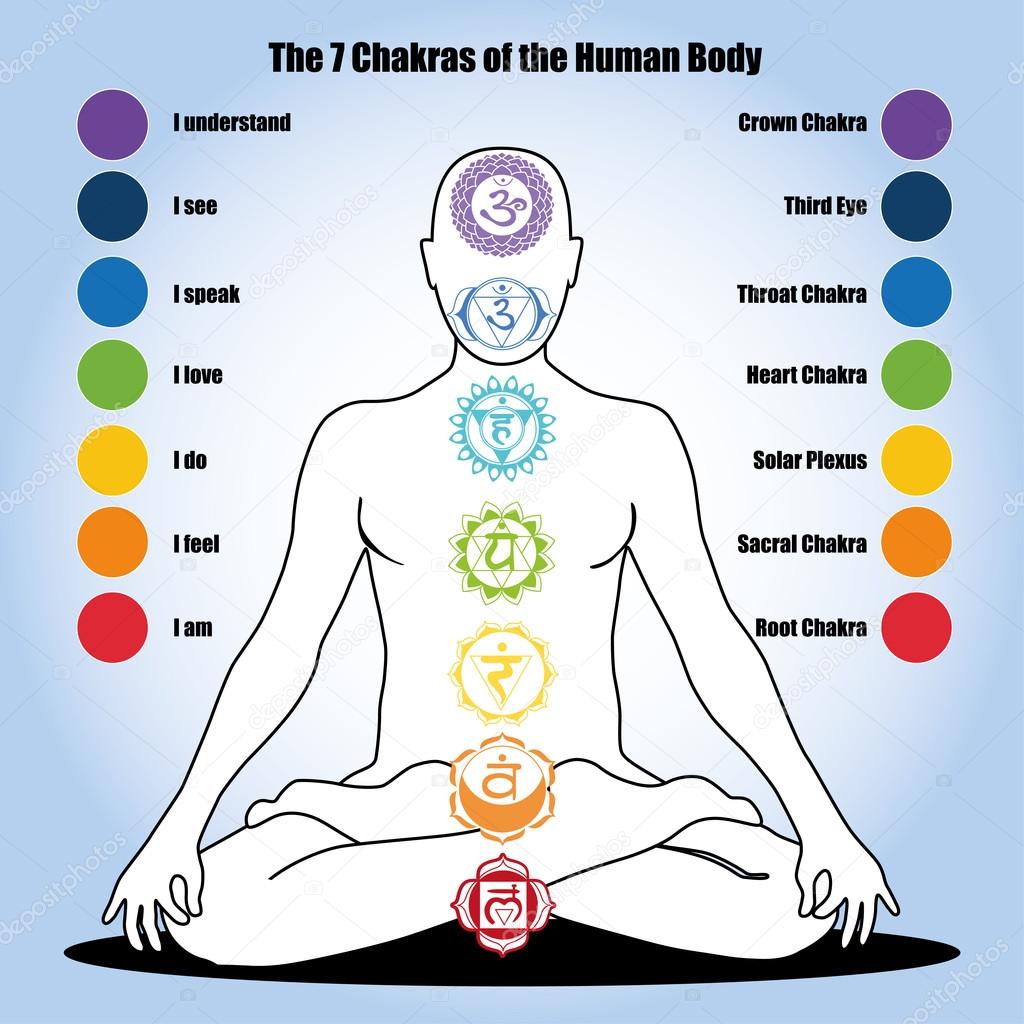
Alt text : the seven chakra explained
Meta description:
Discover the origin and meaning of the seven chakras, who systematized them, and whether modern science validates these energy centers. Clear, balanced explanation for beginners with sources and a practical takeaway.
Keywords:
seven chakras, chakra origins, Shat-cakra-nirupana, Purnananda, chakra science, biofield research, energy medicine, chakra balancing, yoga and chakras
The seven chakras — Root, Sacral, Solar Plexus, Heart, Throat, Third Eye, and Crown — are popularly described as spinning energy centers running from the base of the spine to the crown of the head. In modern wellness culture they’re linked to survival, creativity, confidence, love, communication, intuition and spiritual connection. But where did this idea come from, who systematized it, and is it scientific fact or ancient superstition? Below I explain the history, the people who shaped the model, what modern research shows, and what it would mean if science validated chakras.
Where the chakra idea comes from
The word chakra literally means “wheel” in Sanskrit. References to related ideas (breath channels called nāḍi, the subtle body) appear in classical Hindu texts and Buddhist works from the first millennium CE, but the specific concept of a set of energy centers evolved over many centuries and in different traditions. Medieval Buddhist texts mention four or five centers; Hindu tantric texts developed more elaborate chakra systems. One influential text often cited in later accounts is the Ṣaṭ-cakra-nirūpaṇa (“Explanation of the Six Chakras”) attributed to Pūrṇānanda (16th century), which describes chakra locations and features that feed into the modern seven-chakra map. The well-known seven-chakra layout popular in the West was further shaped by translations and reinterpretations in the 19th–20th centuries.
Who “invented” or systematized them?
There isn’t a single inventor. The chakra concept gradually crystallized through tantric yoga texts, medieval Buddhist sources, and later commentaries. Key moments that shaped the modern picture:
- Ancient/medieval Indian and Buddhist tantric traditions — where core ideas about nāḍi, prāṇa (life-force), and subtle centers were developed.
- Pūrṇānanda’s Ṣaṭ-cakra-nirūpaṇa (16th century) — an influential text describing six major chakras that later commentators and translators put into wider circulation.
- Western esoteric writers and Theosophists in the late 19th and early 20th centuries (e.g., H. P. Blavatsky, Sir John Woodroffe/“Arthur Avalon”, Charles Leadbeater) — who translated texts, added color correspondences and psychological attributes, and helped popularize the seven-chakra system in Europe and America.
So the “seven chakra” map is a hybrid: rooted in South Asian tantric and yogic traditions, reshaped by later commentators and Western occultists into the form many people now know.
Is there scientific evidence for chakras?
Learn more (The link is of blog based link used for learning more) The seven chakra in human body and its significance
Short answer: not in the way chakras are often described in popular books (as literal, discrete energy wheels you can measure with current instruments). Research into related ideas — the body’s biofield, subtle energy, and correlations between chakra locations and nerve/gland complexes — exists, but the evidence is limited, mixed, and not yet conclusive.
A recent narrative review concluded there are some lines of anatomical and physiological evidence that might correspond to chakra locations (for example, overlaps with major nerve plexuses or measurable electromagnetic emissions in certain body regions). However, the studies are few, often small, methodologically varied, and not yet sufficient to claim chakras are scientifically proven structures. Other reviews of “biofield” science outline intriguing findings (changes in measurable electromagnetic activity, effects of certain electromagnetic therapies, or subjective reports in meditative states), but they stop short of validating the full metaphysical claims made about chakras. In short, science has flagged interesting correlations that deserve further rigorous study — but not definitive proof.
Skeptical voices point out that many chakra claims (rainbow colors, specific disease correspondences, crystal/gemstone healing tied to chakras) are cultural additions or modern inventions and lack credible experimental support. Where measurable benefits occur (relief from stress, reduced pain, improved mood), they are often explainable through well-understood mechanisms: relaxation, placebo effects, breath control, or psychophysiological changes from meditation and yoga.
If science validated chakras — why would it matter?
If robust, reproducible scientific evidence showed chakras are physiologically real (e.g., specific, measurable biofield structures or consistent electromagnetic signatures with causal effects on health), the implications would be big:
- New integrative therapies: Energy-based therapies (targeted biofield techniques, electromagnetic interventions) could be developed and standardized for medical use.
- Bridging traditions: Ancient yogic maps could inform modern physiology and psychoneuroimmunology research, offering measurable ways to study mind–body links.
- Personalized medicine: Chakra-based diagnostics (if valid) might add another dimension to assessing stress, autonomic balance, or emotional health.
- Shift in medical paradigms: A validated biofield would expand our definition of “biological regulation” beyond biochemistry and neural signaling into subtle electromagnetic interactions.
That said, science would require clear mechanisms, repeatable measurements, and controlled trials showing clinical benefits that outperform placebo and standard care. Until then, talk of chakras as proven anatomy is premature.
Practical, evidence-based takeaway
You don’t need chakras to get the real benefits many people report. Practices commonly used to “balance chakras” — mindful breathing, focused meditation, yoga postures, sound/vocalization, and guided imagery — have well-documented benefits for stress, pain, mood, and sleep. So whether you treat chakras as symbolic maps for inner work or as literal energy centers, using these practices sensibly is likely to help. If you pursue energy therapies, do so as a complement (not a substitute) to conventional medical care for serious conditions.
Final thought
The chakra system is a rich cultural and spiritual tradition with centuries of practice and metaphorical power. Modern science has begun to explore adjacent ideas (biofields, electromagnetic signaling, mind-body effects) but has not conclusively proven chakras as literal anatomical structures. For most people, the most useful approach is pragmatic: use chakra practices that reliably reduce stress and improve well-being, stay informed about new research, and consult medical professionals when health problems arise.
References & sources
- “Ṣaṭ-cakra-nirūpaṇa” (English translation overview). Wisdom Library / Shat-cakra-nirupana.
- “Chakra” — Wikipedia (history, Western adoption and sources).
- M. Moda, “Is there scientific evidence for chakras?” (International Journal of Healing and Caring, 2022) — narrative review (PDF).
- Ross, C. L., “Energy Medicine: Current Status and Future Perspectives,” Frontiers/PubMed Central — review of biofield and electromagnetic modalities.
- “Crystal healing” — Wikipedia (skeptical evaluation and lack of peer-reviewed evidence for many energy claims).
- Disclaimer: This blog is for educational purposes only. It summarizes historical sources and scientific literature but is not medical advice. If you have health concerns, consult a licensed medical professional.