Uric Acid and Its Impact on Arthritis, Gout, and Musculoskeletal Disorders
Meta Description:
Discover how uric acid metabolism affects health, leading to gout, osteoarthritis, rheumatoid arthritis, and other musculoskeletal disorders. Learn the biochemical pathways, symptoms, and lifestyle strategies to manage uric acid levels.
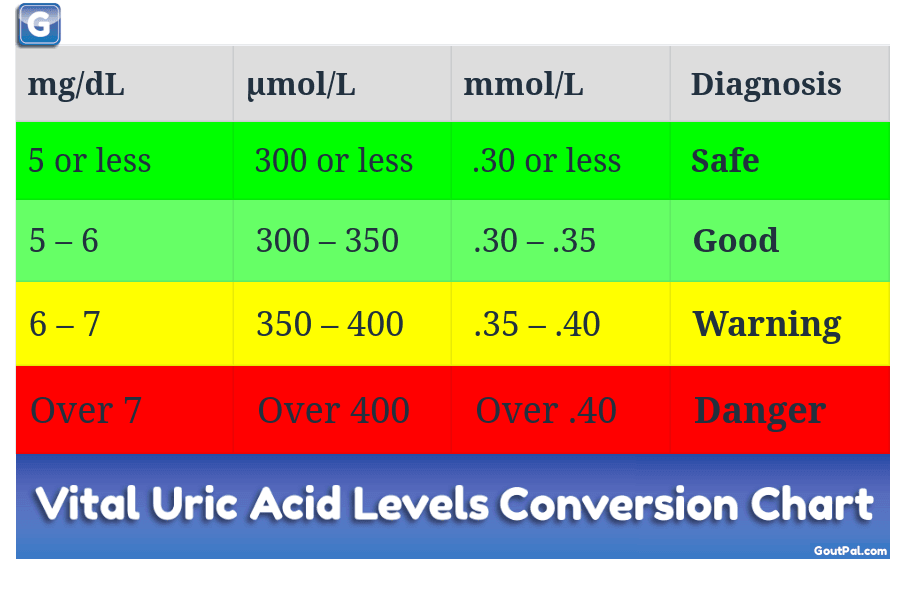
alt text uric acid levels
Keywords:
Uric acid, hyperuricemia, gout, osteoarthritis, rheumatoid arthritis, metabolic disorders, crystal arthritis, urate metabolism, joint pain, lifestyle management, musculoskeletal health.
ICMR guidelines in management of uric acid
Introduction: Why Uric Acid Matters
Uric acid is a natural byproduct of purine metabolism, formed when the body breaks down purine-rich foods such as red meat, seafood, and alcohol. Normally, uric acid dissolves in the blood and is excreted through the kidneys. However, when production exceeds elimination, hyperuricemia occurs, leading to crystal deposition in joints and tissues. This imbalance is central to disorders like gout, osteoarthritis, rheumatoid arthritis, and metabolic bone disease.
Read more uric acid guidelines on mohfw
The Biochemistry of Uric Acid
– Purine metabolism: Purines are nitrogen-containing compounds found in DNA and RNA. Their breakdown produces uric acid.
– Excretion pathway: About two-thirds of uric acid is eliminated via the kidneys, while the rest exits through the intestines.
– Hyperuricemia: Elevated serum urate levels (>6.8 mg/dL) cause monosodium urate crystals to form, triggering inflammation.
This metabolic dysfunction is not just a biochemical anomaly—it directly impacts quality of life, often causing pain, immobility, and disability.
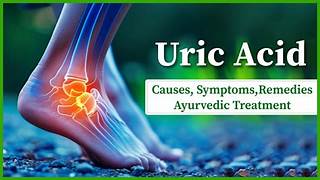
Alt text uric acid uretes attack on ankle joints
Uric Acid and Gout: The Classic Disorder
What is Gout?
Gout is the most well-known uric acid–related disorder. It manifests as sudden, severe joint pain, swelling, and redness, often in the big toe.
Pathophysiology
– Crystals deposit in synovial fluid.
– Immune cells attack these crystals, releasing inflammatory cytokines.
– Repeated attacks damage cartilage and bone, leading to chronic arthritis.
Clinical Impact
Patients often describe gout attacks as life‑standstill events, where even walking or wearing shoes becomes impossible.
Uric Acid and Osteoarthritis
While osteoarthritis is primarily a degenerative joint disease, hyperuricemia exacerbates inflammation and cartilage breakdown. Research shows uric acid crystals accelerate oxidative stress and inflammatory pathways, worsening osteoarthritis progression.
Rheumatoid Arthritis and Crystal Arthritis
– Rheumatoid Arthritis (RA): Though autoimmune in origin, RA severity increases with elevated uric acid levels.
– Crystal Arthritis: Includes gout and pseudogout, both caused by crystal deposition (urate or calcium pyrophosphate).
These conditions highlight how uric acid metabolism intertwines with broader musculoskeletal disorders.
Systemic Disorders Linked to Uric Acid
Beyond joints, uric acid contributes to:
– Metabolic Syndrome: Obesity, type 2 diabetes, and hypertension often coexist with hyperuricemia.
– Kidney Disease: Uric acid stones impair renal function.
– Cardiovascular Risk: Elevated uric acid correlates with hypertension and heart disease.
Thus, uric acid is not just a joint issue—it’s a systemic metabolic disruptor.
Symptoms and Warning Signs
– Sudden joint pain (especially at night)
– Swelling, redness, and warmth in joints
– Limited mobility
– Chronic stiffness in osteoarthritis patients
– Recurrent kidney stones
Recognizing these signs early can prevent long-term disability.
Lifestyle and Management Strategies
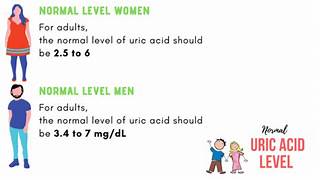
alt text : uric acid in males & females level
Dietary Adjustments
– Limit purine-rich foods: red meat, organ meats, seafood.
– Reduce alcohol, especially beer and spirits.
– Increase hydration to flush uric acid.
– Consume low-fat dairy, cherries, and vitamin C-rich foods.
Medical Interventions
– Allopurinol and Febuxostat: Reduce uric acid production.
– Colchicine and NSAIDs: Manage gout flares.
– Lifestyle therapy: Weight management and exercise reduce systemic inflammation.
SEO Optimization Tips for Health Blogs
– Use long-tail keywords like “uric acid and osteoarthritis connection” or “how uric acid causes gout.”
– Include internal links to related health topics (e.g., kidney stones, metabolic syndrome).
– Add alt text for infographics (e.g., “Uric acid metabolism pathway”).
– Ensure readability with short paragraphs and bullet points.
This structure improves ranking and accessibility for lay audiences.
Conclusion: Uric Acid as a Silent Saboteur
Uric acid is more than a metabolic byproduct—it is a silent saboteur of musculoskeletal health. From gout attacks to osteoarthritis progression, its impact can halt daily life, making prevention and management crucial. By understanding its metabolic role, individuals can adopt lifestyle changes and medical interventions to reclaim mobility and quality of life.
Disclaimer
This blog is for educational purposes only. It does not substitute professional medical advice, diagnosis, or treatment. Always consult a qualified healthcare provider for concerns related to uric acid, arthritis, or any medical condition.
Sources: Frontiers in Endocrinology – Uric Acid and Musculoskeletal Diseases Science Chronicle – Comparative Analysis of Musculoskeletal Disorders IJRAR – Metabolic Roles of Uric Acid