“Tell Me What You Eat, and I Will Tell You Who You Are” — A Deep Look at Vegetarian vs. Non-Vegetarian Lifestyle
Meta Description:
This detailed blog explains how food habits reflect personality, attitude, and lifestyle. Learn the differences between vegetarian and non-vegetarian diets, their impact on health, behavior, culture, and emotions. Simple layman explanation with SEO-friendly headings and a disclaimer.
Keywords:
Vegetarian vs non-vegetarian, food and personality, eating habits and attitude, veg diet benefits, non-veg diet benefits, food psychology, lifestyle choices, diet comparison, human behaviour and food.
Learn more on food habits ICMR guidelines on food consumption
Introduction
There is a famous saying: “Tell me what you eat, and I will tell you who you are.”
Food is not just fuel for the body. It is deeply connected to mind, mood, culture, emotions, habits, beliefs, health, and even our overall attitude.
What we choose to eat every day speaks a lot about our inner world. Some people choose vegetarian foods because of health, religion, ethics, or personal comfort. Others prefer non-vegetarian foods due to taste, tradition, nutrition, or lifestyle patterns.
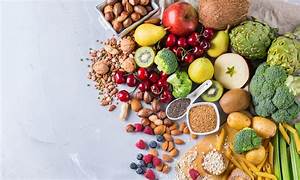
Alt text : vegetarian food-People who eat lots of vegetables and fruits often follow a more balanced lifestyle.
In this blog, we explore:
- How food habits reflect personality
- What vegetarian and non-vegetarian really mean
- Their differences
- Emotional, cultural, and behavioural impact
- How diet shapes attitude and daily life
Written in simple layman English for easy understanding.
What Does “Tell Me What You Eat, and I Will Tell You Who You Are” Mean?
This statement suggests that your food reflects your character. Not in a judgmental way, but in a psychological and behavioural way.
1. Food reflects values
Some people value non-violence, purity, or spiritual calmness. They often prefer vegetarian food.
Others value strength, energy, adventure, and boldness. They often choose non-vegetarian food.
2. Food shows your emotional preferences
Some people enjoy soft, light food that keeps their mind relaxed.
Others prefer spicy, heavy, and strong food that fuels excitement and energy.
Learn more guidelines world health organization (WHO) on food consumption
3. Food shapes your mood
Scientific studies show that food affects hormones, sleep, digestion, and brain chemicals such as serotonin and dopamine – all linked with mood.
4. Food shapes your daily habits
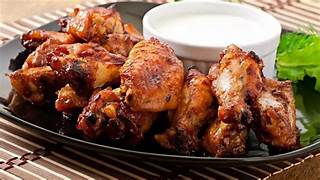
Alt Text: Non -Vegetarian food-People who eat lots of vegetables and fruits often follow a more balanced lifestyle.
For example:
- People who eat lots of vegetables and fruits often follow a more balanced lifestyle.
- People who eat lots of vegetables and fruits often follow a more balanced lifestyle.
5. Food is connected with personality
Your food choice can reveal:
- Discipline or flexibility
- Sensitivity or boldness
- Calmness or aggression
- Lifestyle choices
- Cultural background
Again, this is not a rule, but a general reflection.
What is a Vegetarian?
A vegetarian is a person who does not consume meat, fish, eggs (depending on the type), or animal flesh. Their diet mainly includes:
- Vegetables
- Fruits
- Cereals
- Pulses
- Nuts
- Seeds
- Dairy products (for lacto-vegetarians)
Types of Vegetarian
- Lacto-Vegetarian – eats dairy but no eggs or meat
- Ovo-Vegetarian – eats eggs but no dairy or meat
- Lacto-Ovo Vegetarian – eats eggs & dairy but no meat
- Pure Vegan – no animal-derived products at all
Why People Choose Vegetarian Diet
- Health reasons – easy digestion, low cholesterol
- Religious or spiritual reasons
- Ethical values – avoiding animal harm
- Cultural and family habits
- Weight management or fitness
Characteristics Commonly Found in Vegetarians (General view)
Vegetarians are often seen as:
- Soft-spoken
- Calm minded
- Emotionally sensitive
- Pacifist or non-harmful by nature
- Health-conscious
- Balanced lifestyle followers
These are general observations, not absolute truths.
Benefits of Vegetarian Diet
- Better digestion
- Lower risk of heart disease
- Healthy body weight
- High fiber and antioxidants
- Improved gut health
- Lower inflammation
What is a Non-Vegetarian?
A non-vegetarian consumes animal-based foods such as:
- Chicken
- Fish
- Mutton
- Eggs
- Seafood
- Sometimes dairy also
Why People Choose Non-Vegetarian Diet
- High protein requirement
- Better muscle and strength development
- Cultural or traditional habits
- Taste and variety
- Nutrient-rich foods (iron, B12, omega-3, etc.)
Characteristics Commonly Found in Non-Vegetarians (General view)
Non-vegetarians are often seen as:
- High-energy
- Strong-willed
- Assertive or bold
- Adventurous
- Physically active
- Less restrictive in lifestyle
Again, these are not rules but general patterns observed globally.
Benefits of Non-Vegetarian Diet
- High-quality protein
- Essential amino acids
- Vitamin B12 (important for brain & nerves)
- Omega-3 fatty acids (in fish)
- Faster muscle repair
- Stronger bones (if consumed with calcium foods)
Vegetarian vs Non-Vegetarian: A Detailed Comparison
1. Health Impact
Vegetarian diet:
Good for long-term health, reduces cholesterol, supports digestion.
Non-vegetarian diet:
Provides superior protein, iron, and B12 but must be balanced to avoid high-fat meats.
2. Digestion
Vegetarian food is lighter and easier to digest.
Non-veg takes longer but offers dense nutrition.
3. Energy Levels
Veg food gives long-lasting stable energy.
Non-veg gives power boosts useful for physical work and athletes.
4. Emotional Influence
- Vegetarian food is associated with calmness and stable emotions.
- Non-veg is linked with aggressiveness, drive, and confidence, especially red meat.
5. Cultural Influence
In India and many Asian countries, vegetarianism is tied to religion and purity.
In Western and coastal areas, non-veg is seen as essential for survival and climate.
6. Personality Reflection
Vegetarians:
Often represent peace, discipline, care, and sensitivity.
Non-Vegetarians:
Often represent boldness, strength, and diversity in choices.
7. Lifestyle
Vegetarians may prefer simple routines and health-focused habits.
Non-vegetarian eaters may explore new tastes, travel, and diverse cultures.
Does Food Decide Your Character Completely?
No.
Food influences personality, but does not define it fully.
Character is shaped by:
- upbringing
- education
- environment
- mental health
- genetics
- habits
- experiences
Food is only one part of the puzzle.
Both vegetarian and non-vegetarian people can be:
learn more guidlines from MOHFW
- kind
- disciplined
- intelligent
- healthy
- strong
- hardworking
What matters most is balance and good thinking.
Conclusion
Your food tells a story—not of superiority or inferiority, but of choice, attitude, culture, and personality. Whether vegetarian or non-vegetarian, each diet has its own strengths and identity.
What matters is:
- Respecting each other’s choices
- Eating balanced diets
- Staying healthy physically and mentally
Food should unite us, not divide us.
Disclaimer
This blog is for educational and informational purposes only.
It does not promote one diet over another.
Characteristics mentioned are general observations, not fixed rules.
For medical or nutritional advice, please consult a certified doctor or dietician.
SEO Tags
- #VegetarianVsNonVegetarian
- #FoodAndPersonality
- #HealthyDiet
- #LifestyleChoices
- #FoodPsychology
- #BalancedDiet
- #NutritionGuide