
What Are Allergies? Causes, Symptoms, and Complete Treatment Guide in Allopathy, Homeopathy & Ayurveda
Meta Description:
A complete guide on allergies. Learn the definition, causes, symptoms, risk factors, and treatment options including allopathy, homeopathy, and Ayurveda remedies. Know how to prevent and manage allergies safely.
Keywords:
Allergy, allergy causes, allergy treatment, homeopathy for allergy, Ayurveda allergy remedies, allopathic allergy treatment, symptoms of allergy, allergic reaction, natural remedies for allergies, immunity, healthy lifestyle.
alt text common symptoms of allergy
Introduction
Allergies are one of the most common medical conditions affecting millions of people worldwide. From seasonal sneezing to life-threatening reactions, allergies can appear in many forms and intensities. Understanding their causes, symptoms, and treatment options can help you manage them effectively and lead a comfortable life.
This blog explains allergies in simple English, covering their definition, aetiology (cause), symptoms, treatments available in Allopathy, Homeopathy, and Ayurveda, along with preventive tips and lifestyle management.
What Is an Allergy?
An allergy is an abnormal reaction of the body’s immune system to a normally harmless substance. These substances are known as allergens. When an allergic person comes in contact with an allergen, the immune system overreacts and releases chemicals like histamine, causing symptoms such as sneezing, itching, skin rashes, swelling, or breathing difficulty.
Common allergens include:
- Dust and pollen
- Food items (milk, nuts, eggs, fish)
- Medicines
- Insect bites
- Animal hair
- Perfumes, smoke, chemicals
- Mold and fungus
Aetiology (Causes of Allergies)
Allergies occur due to a combination of genetic and environmental factors.
1. Genetic Factors
If parents have allergies, children have a higher risk. This inherited tendency is called atopy.
2. Weak or Sensitive Immune System
An overly reactive immune system mistakenly identifies harmless substances as dangerous and triggers an allergic response.
3. Environmental Exposure
Continuous exposure to pollutants, dust, smoke, chemicals, and allergens increases the chances of developing allergies.
4. Lifestyle Factors
- Lack of sunlight
- Sedentary lifestyle
- Stress and anxiety
- Pollution
- Consumption of processed foods
5. Age and Immunity
Children and people with low immunity are more vulnerable to allergies.
Types of Allergies
1. Respiratory Allergies
- Allergic rhinitis
- Asthma
- Sinus allergy
2. Skin Allergies
- Eczema
- Urticaria (hives)
- Contact dermatitis
3. Food Allergies
Allergic reaction to peanuts, shellfish, eggs, milk, soy, etc.
4. Drug Allergies
Reactions to antibiotics, painkillers, or injections.
5. Insect Allergy
Reaction to bee, wasp, or mosquito bites.
Symptoms of Allergies icmr general guidelines on common allergy
Symptoms vary depending on the type of allergy:
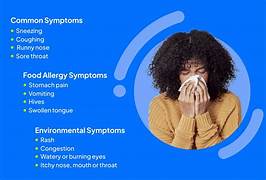
Common Symptoms
- Sneezing, runny or blocked nose
- Itching in eyes, nose, or skin
- Watery eyes
- Skin rashes or hives
- Swelling of lips or eyes
- Cough and wheezing
- Breathlessness
- Nausea or abdominal pain (food allergy)
Severe Reaction – Anaphylaxis
This is a medical emergency and includes:
- Sudden breathlessness
- Drop in blood pressure
- Severe swelling
- Loss of consciousness
Immediate medical help is required.
Treatments for Allergies
1. Allopathic Treatment
Allopathy is the most common and effective system for quick relief.
a. Antihistamines
These medicines block histamine and reduce symptoms like sneezing, itching, and watery eyes.
b. Nasal Sprays
Steroid sprays reduce inflammation in nasal passages.
c. Bronchodilators
Used for wheezing and breathing difficulty in asthma.
d. Anti-allergic Eye Drops
For itching and redness of eyes.
e. Immunotherapy (Allergy Shots or Tablets)
Helps reduce sensitivity to allergens over time. Long-term treatment.
Emergency Treatment for Severe Allergy
- Epinephrine (Adrenaline) injection
- Oxygen therapy
- Hospital care
Allopathy gives fast relief and is essential for severe allergies.
2. Homeopathic Remedies for Allergy
Homeopathy aims to treat the root cause by strengthening the immune system. It works best for chronic and recurring allergies.
Common Homeopathic Medicines
- Arsenicum Album – for dust allergy, wheezing
- Allium Cepa – watery discharge, sneezing
- Apis Mellifica – swelling and skin rashes
- Natrum Mur – seasonal allergies
- Sulphur – chronic skin allergies
Note: Homeopathic medicines should be taken under the guidance of a qualified doctor.
Homeopathy focuses on long-term correction of hypersensitivity and is gentle and safe for children.
3. Ayurveda Remedies for Allergy
Ayurveda believes allergies occur due to an imbalance in doshas, mainly Kapha and Vata, and poor digestion (Ama formation).
Ayurvedic Treatments
a. Herbal Remedies
- Haridra (Turmeric) – natural anti-inflammatory
- Tulsi – strengthens respiratory system
- Neem – blood purifier
- Ginger – reduces congestion
- Triphala – detoxifier
b. Panchakarma Therapy
Useful for chronic allergies:
- Nasya (nasal detox)
- Vamana (therapeutic vomiting)
- Virechana (purgation therapy)
c. Home Remedies
- Warm water with turmeric
- Steam inhalation with eucalyptus
- Honey with ginger juice
- Avoid cold food and drinks during allergy episodes
Ayurveda helps improve immunity and provides long-lasting relief.
How to Manage and Prevent Allergies
1. Avoid Allergen Exposure
- Keep home dust-free
- Use air purifiers
- Avoid perfumes and strong chemicals
- Stay away from known food allergens
2. Strengthen Immunity
- Include vitamin C-rich foods
- Regular exercise and yoga
- Adequate sunlight for Vitamin D
- Drink warm water
3. Keep Sinuses Clear
- Steam inhalation
- Use saline nasal drops
4. Improve Gut Health
Strong digestion reduces allergic tendencies.
5. Keep Your Environment Clean
- Wash bedding weekly
- Avoid pets if allergic
- Keep windows closed during pollen season
Conclusion
Allergies are common but manageable with proper understanding, treatment, and lifestyle adjustments. Modern allopathy, homeopathy, and Ayurveda each offer unique benefits. A combination of preventive measures, medical care, and strong immunity can help control allergy symptoms effectively
Disclaimer
This blog is for educational purposes only. It is not a substitute for professional medical advice, diagnosis, or treatment. Always consult a qualified doctor before starting any medication, therapy, or home remedy, especially in case of severe allergies or emergency conditions.