
Title: The Common Cold & Cough: A Week-Long Wretched Journey & Why You Don’t Always Need Pills
Category: Health & Wellness, Home Remedies
Tags: CommonCold ,HomeRemedies ,CoughRelief ,NaturalHealing ,BodyAches ,WinterIllness ,ImmuneSystem ,HealthTips
It starts with a single, subtle tickle in the back of your throat. Then, a wave of unexplained weariness washes over you. By the next morning, you’re fully in its grip: the dreaded common cold and cough, often accompanied by the deep, dull misery of complete body pain. This isn’t a specific disease caused by one bug, but a constellation of symptoms primarily triggered by a family of viruses (rhinoviruses being the usual suspects). They invade the lining of your nose and throat, and your body’s all-out war against them is what makes you feel so wretched.
The Common Cold & Cough: A Week-Long Wretched Journey & Why You Don’t Always Need Pills
The Viral Onslaught & The Week-Long Arc
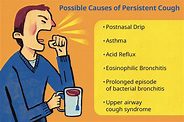
Without any medication, the journey typically follows a predictable, if uncomfortable, seven-day arc. The virus causes inflammation in your respiratory passages. Your body responds by producing excess mucus—a sticky substance meant to trap and flush out the invaders. During the day, you sniffle and blow your nose. At night, that mucus trickles down the back of your throat (post-nasal drip), leading to a raw, dry throat and triggering relentless bouts of coughing, your body’s reflex to clear the irritation.
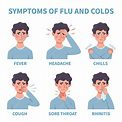
The systemic response includes a mild fever, as your body turns up the heat to make it a less hospitable environment for the virus. The total body pain—those aching muscles and joints—isn’t from the virus itself, but from inflammatory chemicals (cytokines) released by your immune cells as they battle the infection.
The Power of Doing “Nothing” (The Right Way)
Here’s the crucial part: in an otherwise healthy person, this doesn’t require advanced pharmaceuticals to resolve. The cure is time, supported by three pillars:
1. Water Intake: This is your non-negotiable medicine. Fluids thin the thick mucus, making it easier to expel. They combat dehydration from fever and soothe that sandpaper throat. Herbal teas, warm water with honey, and clear broths are heroes.
2. Bed Rest: Stop. Fighting the virus is a massive energy drain for your body. By resting, you divert all your resources to your immune system. Pushing through prolongs the misery.
3. Light Food: Your digestive system is also under stress. Nourish it with easy-to-digest, comforting foods like soups, khichdi, porridge, and steamed vegetables. They provide essential nutrients without overworking your gut.
By supporting your body in this simple trinity, you allow the immune system to complete its natural cycle. In about a week, the viral load peaks and declines, inflammation reduces, symptoms fade, and relief dawns.
Where Do Home Remedies & Painkillers Fit In?
This isn’t to say you must suffer every pang. The goal of home remedies and over-the-counter (OTC) drugs is symptom management, not cure.
· Home Remedies (The Safest First Line): Gargling with warm salt water reduces throat swelling and loosens mucus. Steam inhalation breaks up congestion. Honey (for adults) is a proven cough suppressant. Ginger or turmeric in tea has anti-inflammatory properties. These are gentle, supportive, and have minimal side effects.
· The Painkiller Caveat (Acetaminophen/Paracetamol, Zerodol-P etc.): These are helpful tools but not the foundation of treatment. A tablet of paracetamol (acetaminophen) can effectively lower fever and take the edge off body aches, allowing you to rest properly. Drugs like Zerodol-P (which often contain aceclofenac and paracetamol) are stronger NSAIDs and are better for more severe pain, but they come with higher risks of stomach and kidney issues, especially if dehydrated.
The Key Takeaway: The common cold is a self-limiting viral drama. Water, rest, and light food are the directors that bring the curtain down naturally. Home remedies are the supportive stage crew. Painkillers are just the stage lights—they make the scene (your symptoms) less harsh to endure but don’t change the script. Use them sparingly for relief, but never underestimate the profound, healing power of listening to your body and giving it the simple care it truly needs.